5K Training: 10 Zone 5 / VO2 Max Example Run Sessions
Summary:
This guide introduces 10 Zone 5 run sessions for 5K training, from short intervals and hill repeats to pyramid and mixed-intensity workouts. It explains how VO2 Max training develops aerobic capacity, improves tolerance to very hard efforts and supports stronger 5K performance.
Why 5K VO2 Max Run Training Matters
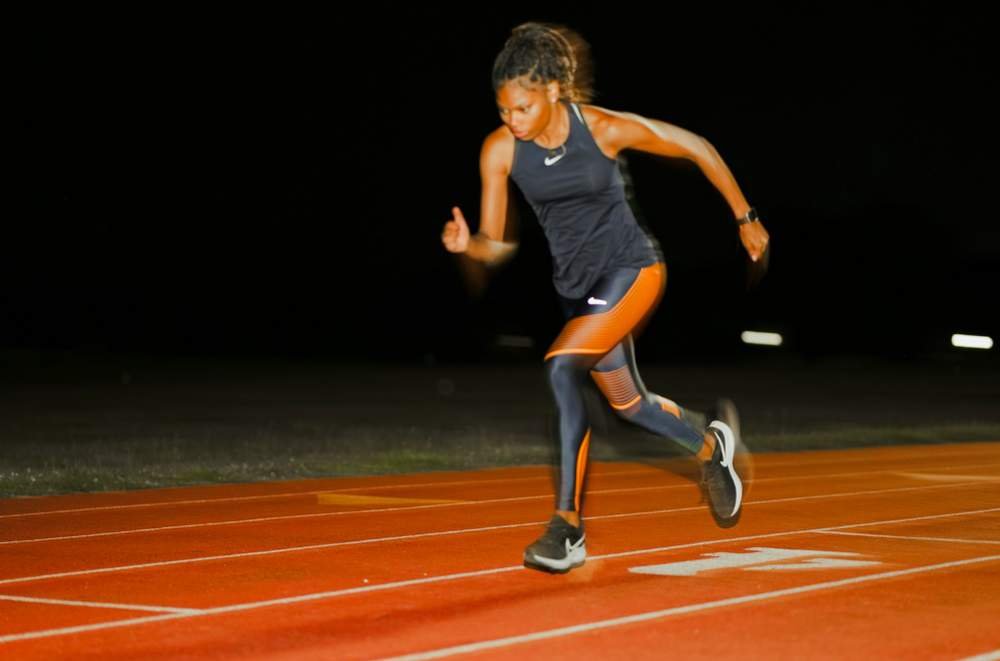
Zone 5 run training sits at the upper limit of aerobic intensity and represents the highest sustainable workload driven primarily by the aerobic system. Breathing becomes sharp and rapid, coordination requires focus and muscular effort is high, though still controlled. At this point, lactate accumulates faster than it can be cleared, placing the runner at the upper edge of aerobic capacity. Because this intensity cannot be sustained for long, Zone 5 work is performed in short, structured intervals rather than continuous efforts.
The purpose of Zone 5 training is to target VO2 Max by stressing oxygen uptake at its highest usable level. By doing so, it raises the aerobic ceiling and improves the body’s ability to support faster running speeds. When applied with precision rather than volume, Zone 5 training enhances performance at lower intensities while complementing the endurance and threshold work that underpin long-term 5K development.
Metrics Guide for 5K VO2 Max Run Training
Understanding how 5K VO2 Max run training is measured helps ensure sessions are executed at the correct intensity and deliver their intended effect. The following metrics are used to define and monitor Zone 5 running with clarity and consistency.
Heart rate reflects the body’s internal response to effort and is commonly used to estimate how hard the cardiovascular system is working relative to maximum heart rate or lactate threshold heart rate. Lactate threshold heart rate provides a more individualised anchor based on the intensity where sustainable effort begins to change. Threshold pace offers a personalised speed reference at that same physiological point, allowing runners to train with greater precision. RPE or Rate of Perceived Exertion, describes how hard a session feels to the athlete on a subjective scale and provides a practical reference for translating internal sensations of effort into usable training intensity.
VO2 Max Run Metrics
Heart rate: 93–100% of maximum heart rate
Lactate threshold heart rate: 102–106% of LTHR
Threshold pace: 103–111% of threshold pace
RPE: 9–10
Effort: Very hard
Purpose: VO2 max development, aerobic capacity and high-intensity tolerance
Use the FLJUGA Running Calculators to calculate your Heart Rate Zones and Threshold Pace Zones for more structured training.
These metrics define the upper limit of aerobic running intensity and help ensure VO2 sessions remain structured rather than chaotic. Staying within the outlined ranges keeps work precise and repeatable without drifting into maximal efforts. Over time, this allows VO2 training to raise aerobic capacity, improve speed endurance and support performance at lower intensities. When intensity is clearly defined and applied with restraint, Zone 5 sessions become a targeted tool for progression rather than an unnecessary source of fatigue.
Explore the FLJUGA 5K Running Zones 1–5 Guide to understand how each training zone supports effective 5K training and long-term running development.
10 Example VO2 Max Run Sessions for 5K
1. 2-Minute Intervals
Purpose: Classic VO2 max format with repeatable intensity.
Warm-Up: 10 min jog
Main Set: 6 x 2 min @ Zone 5 (2 min recovery between)
Cool-Down: 10 min jog
2. 400m Repeats
Purpose: Sharp, short bursts to develop running economy at intensity.
Warm-Up: 10 min jog
Main Set: 8 x 400m @ Zone 5 effort (90 sec recovery between)
Cool-Down: 10 min jog
3. 1-Minute On/Off
Purpose: Focuses on repeatability and oxygen delivery.
Warm-Up: 10 min jog
Main Set: 10 x 1 min @ Zone 5 (1 min recovery between)
Cool-Down: 10 min jog
4. VO2 Max Pyramid
Purpose: Challenges coordination and fatigue tolerance.
Warm-Up: 10 min jog
Main Set: 1 min - 2 min - 3 min - 2 min - 1 min @ Zone 5 (2 min recovery between)
Cool-Down: 10 min jog
5. Short Hill Repeats
Purpose: Maximises muscle fiber recruitment and aerobic power.
Warm-Up: 10 min jog
Main Set: 8 x 60 sec uphill @ Zone 5 effort (walk down recovery between)
Cool-Down: 10 min jog
6. Broken VO2 Max Set
Purpose: Keeps intensity high with short intervals.
Warm-Up: 10 min jog
Main Set: 2 x (4 x 1 min @ Zone 5 - 1 min recovery between) (3 min recovery between sets)
Cool-Down: 10 min jog
7. Mixed Zone 4 + Zone 5
Purpose: Pre-fatigues the system before fast reps.
Warm-Up: 10 min jog
Main Set:
10 min @ Zone 4
5 x 2 min @ Zone 5 (90 sec recovery between)Cool-Down: 10 min jog
8. 90-Second Repeats
Purpose: Extends time in Zone 5 without overreaching.
Warm-Up: 10 min jog
Main Set: 8 x 90 sec @ Zone 5 (2 min recovery between)
Cool-Down: 10 min jog
9. VO2 Max with Strides
Purpose: Adds efficiency after hard aerobic work.
Warm-Up: 10 min jog
Main Set:
4 x 2 min @ Zone 5 (2 min recovery between)
Then:
4 x 20 sec strides (walk back recovery between)
Cool-Down: 10 min jog
10. Peak Session: 3-Minute Repeats
Purpose: Maximum aerobic stress at controlled volume.
Warm-Up: 10 min jog
Main Set: 4 x 3 min @ Zone 5 (2:30 recovery between)
Cool-Down: 10 min jog
Common Mistakes with 5K VO2 Max Run Training
VO2 Max run sessions are highly effective for expanding aerobic capacity in 5K preparation, but only when they are applied with precision and restraint. Because Zone 5 work sits at the upper limit of aerobic intensity, small errors in pacing, recovery or execution can quickly reduce session quality. These mistakes often lead to excessive fatigue or inconsistent performance rather than meaningful adaptation.
Starting too aggressively:
Opening intervals at an unsustainably fast pace quickly turns structured VO2 work into maximal effort. Early spikes in intensity lead to rapid fatigue and loss of repeatability. Controlled pacing allows each interval to remain hard but manageable across the full session.Extending intervals too long:
VO2 work is designed to be performed in short, structured efforts. Extending intervals beyond their intended duration reduces quality and shifts the training effect away from targeted aerobic stress. Precision matters more than duration at this intensity.Stacking high-intensity sessions too closely:
Zone 5 sessions carry a significant recovery cost. Placing them too close together or combining them with other demanding workouts limits adaptation and increases injury risk. Adequate recovery is essential for these sessions to deliver benefit.Neglecting recovery after sessions:
VO2 Max training places heavy stress on the cardiovascular and muscular systems. Failing to prioritise easy running and rest in the days that follow reduces adaptation and may increase injury risk. Recovery after the session is what allows the benefits of high-intensity work to take effect.
When executed with discipline and appropriate recovery, VO2 Max run sessions sharpen speed, improve tolerance to high effort and raise aerobic capacity. Keeping intensity precise, intervals structured and recovery respected ensures these workouts support long-term 5K development rather than undermine it.
FAQ: 5K Zone 5 / VO2 Max Run Training
What are Zone 5 sessions for a 5K?
Zone 5 sessions are structured VO2 Max workouts designed to increase aerobic capacity, improve tolerance to very hard efforts and support faster 5K running. They use short, controlled intervals to target the upper limit of aerobic intensity while maintaining session quality.
Why should 5K runners include Zone 5 sessions?
VO2 Max sessions raise the aerobic ceiling, improve oxygen uptake and strengthen the ability to sustain very hard running efforts. Used selectively within a structured training plan, they complement endurance, tempo and threshold training while supporting stronger 5K performance.
How should Zone 5 sessions be performed?
Zone 5 sessions should be performed as short, repeatable intervals at a very hard but controlled effort with adequate recovery between repetitions. Running form, interval quality and pacing should remain consistent throughout the session rather than turning every effort into an all-out sprint.
Which Zone 5 session is best for 5K training?
There is no single best Zone 5 session for every runner. Short intervals, hill repeats, pyramid sessions and mixed-intensity workouts all develop aerobic capacity and improve tolerance to very hard efforts, with each varying the training stimulus while targeting the same physiological adaptations.
Final Thoughts
Zone 5 run training plays a supporting role in 5K preparation by raising the upper limits of aerobic capacity without replacing endurance or threshold consistency. When used with intent, these workouts improve speed tolerance, sharpen responsiveness and build confidence at high intensity. The key to effective VO2 training is precision. Sessions should feel very hard but structured, supported by adequate recovery and placed carefully within a balanced training week. When intensity is respected and execution remains controlled, Zone 5 run workouts become a targeted tool for enhancing long-term 5K performance rather than a source of unnecessary fatigue.
FURTHER READING: BUILD YOUR 5K TRAINING
5K Training: Zones 1–5 Explained
5K Training: What Is Zone 1 / Recovery?
5K Training: What Is Zone 2 / Endurance?
5K Training: What Is Zone 3 / Tempo?
5K Training: What Is Zone 4 / Threshold?
5K Training: What Is Zone 5 / VO2 Max?
Training Sessions:
5K Training: 10 Essential Sessions
5K Training: 10 Zone 3 / Tempo Workouts
5K Training: 10 Zone 4 / Threshold Workouts
Always consult with a medical professional or certified coach before beginning any new training program. The information provided is for educational purposes only and is not a substitute for personalized advice.