FLJUGA MIND: MINDSET TRAINING FOR ENDURANCE ATHLETES
Welcome to FLJUGA Mind, your space for building mental strength and clarity as an endurance athlete. From motivation and mindset to recovery and resilience, you’ll find the tools and insights that help you stay calm, focused and in control. -
![A person riding a bicycle through a grassy area near a body of water during sunrise or sunset.]()
MENTAL ENDURANCE
Build the mental stamina to push through long sessions and overcome hard moments in training and racing. Learn how to focus, stay composed under pressure and develop inner strength when your body starts to tire. Mental endurance is the foundation of long-term performance.
-
![Group of people standing and walking on a street during a daytime event, wearing athletic shoes and casual clothing.]()
PERFORMANCE ANXIETY
Learn how to turn pre-race nerves into controlled energy. Explore tools to reduce stress, sharpen focus and stay calm on the start line. With the right mindset, pressure becomes clarity and anxiety becomes confidence when it matters most.
-
![Swimmer in dark water lake wearing goggles and swimming cap during cloudy weather with mountains and trees in the background.]()
STAYING MOTIVATED
Stay on track when motivation starts to fade. Learn how to build habits, reconnect with your reason for training and keep momentum through tough weeks. Consistency becomes easier when your mindset and methods are aligned.
-
![View from a cyclist's perspective, riding a bike along a road at sunset, with the sunlight casting a warm glow and trees and a trash bin on the sidewalk.]()
MINDSET AND BELIEF
Strengthen your mindset and build the belief needed to perform with confidence. Learn how to reframe setbacks, shift negative thoughts and trust your training. When you think like an athlete, results begin to follow.
-
![A person wearing dark athletic clothing and running shoes jogs along a wet sidewalk during a heavy snowstorm. The street and sidewalk are covered in snow, with trees and road signs visible in the foggy background.]()
INJURY AND RECOVERY
Navigate injury with clarity, not frustration. Learn how to stay mentally strong during setbacks, find purpose in recovery and return with better awareness. A resilient mindset supports healing and keeps you connected to who you are outside of training.
-
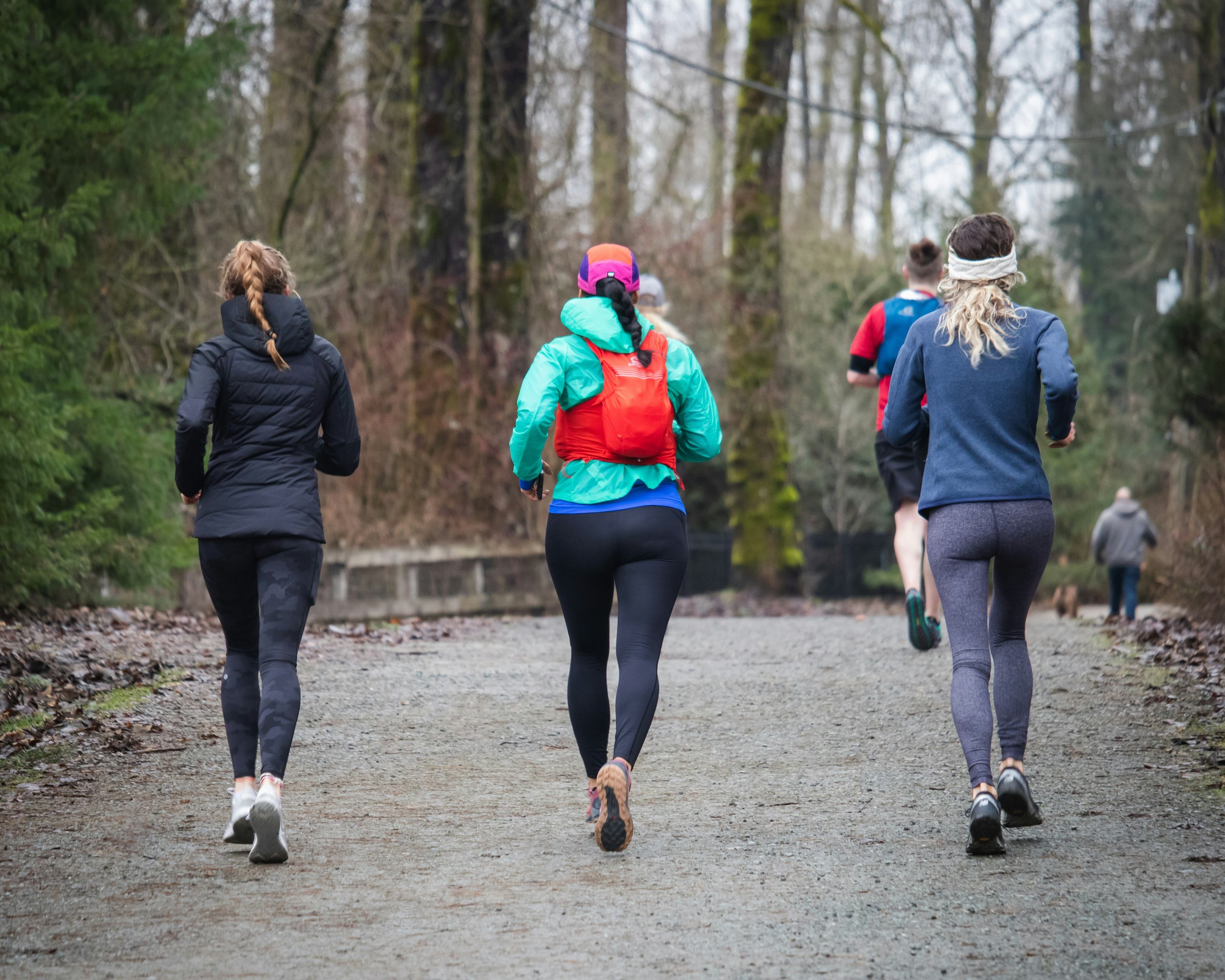
![Four people jogging on a trail through a wooded area, wearing athletic clothing and backpacks.]()
GOAL SETTING
Set goals that fuel your training and sharpen your mindset. Learn how to create milestones, track progress and align each session to a bigger mission. When your goals are clear and meaningful, every step has purpose.