
Process vs Outcome in Long Term Training Progress and Growth
Summary:
Endurance athletes are often taught to measure success through outcomes: times, placements, distances and results. While outcomes matter, they rarely capture the full story of progress across months and years of training. This piece explores the psychology of process versus outcome, showing how athletes who anchor themselves in the process develop deeper confidence, resilience and sustainable growth, even when results arrive slowly, unevenly or out of sequence.
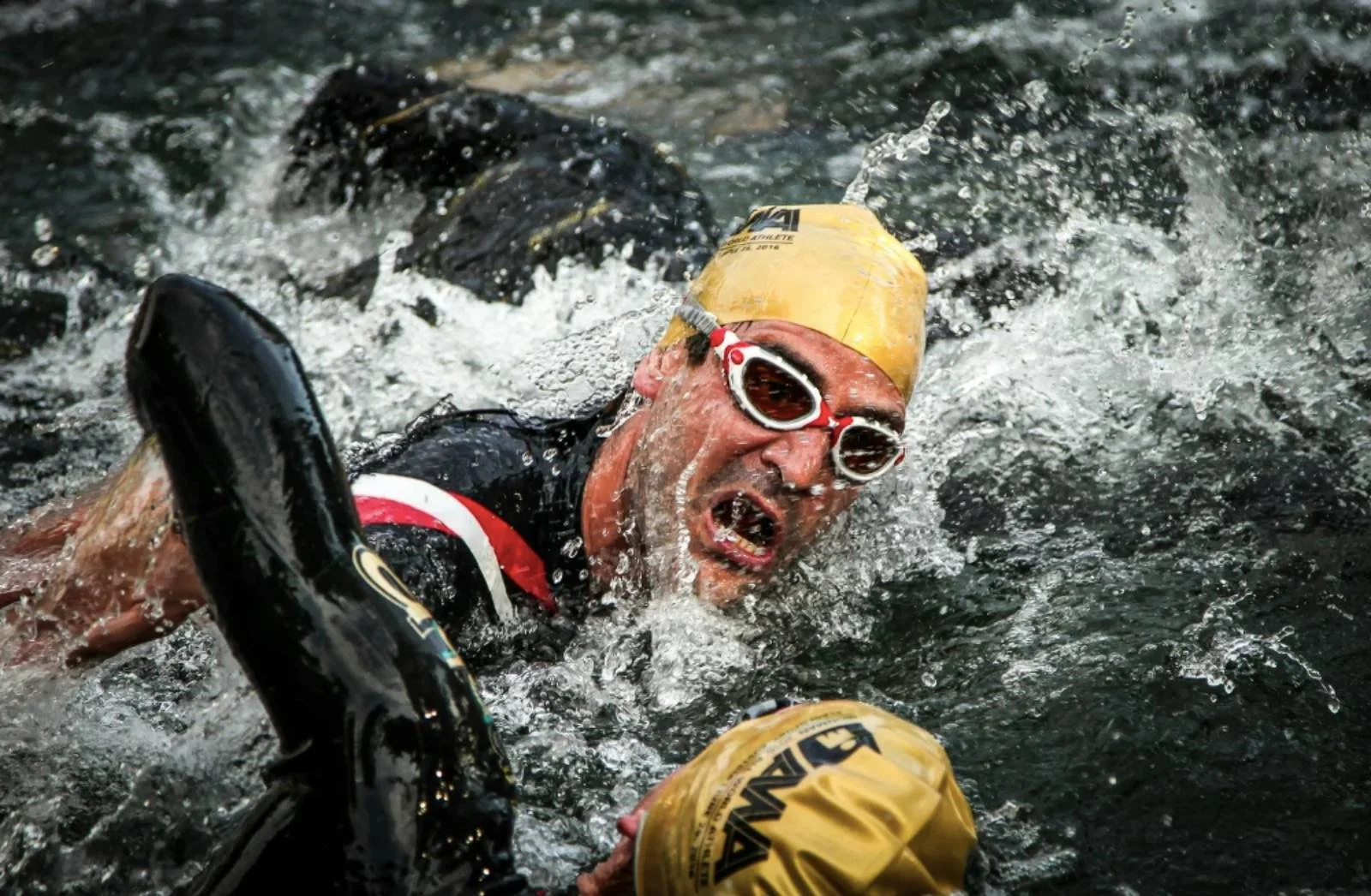
When Outcomes Become the Main Measure
Outcomes are easy to track and hard to ignore. Race results, pace improvements and personal bests offer clear markers of progress and belonging. They provide language for success and a way to locate yourself within the sport. Early in an endurance journey, these markers can feel motivating and affirming, giving structure to effort and reassurance that the work is paying off in visible ways.
Over time, however, an outcome-led focus can quietly narrow perspective. Training sessions begin to feel valuable only if they move the numbers forward. Hard days are framed as wasted and plateaus start to feel personal rather than procedural. When progress is measured only through visible results, long stretches of necessary but unglamorous work can feel empty instead of essential. What is lost is not effort, but meaning, as the process becomes invisible unless it produces immediate proof.
This may help you reflect: Managing Anxiety and Fear for Endurance Performance
Why Outcome Focus Can Undermine Long Term Growth
Outcomes sit at the end of a long chain of inputs, many of which remain invisible while they are forming. Fitness adaptations, skill refinement and resilience develop quietly through repeated decisions that rarely announce their impact. When athletes fixate on results, attention drifts away from these daily behaviours and choices. Progress becomes something to wait for rather than something to participate in, weakening the connection between effort and meaning.
Endurance training unfolds slowly by design. Adaptation depends on repetition, recovery and patience working together over time. When attention jumps ahead to results that have not yet arrived, frustration begins to accumulate. Motivation becomes conditional, rising only when numbers confirm progress. Confidence starts to fluctuate with external validation rather than being grounded in internal steadiness. Over time, this creates an unstable relationship with training, where belief is tied to outcome instead of continuity.
This may help you steady: The Psychology of Resilience in Endurance Training
What the Process Really Represents
The process is not a consolation prize for missed outcomes. It is the environment where growth actually happens over time. It includes the habits, choices and attitudes repeated day after day, often without immediate feedback or visible reassurance. While outcomes sit at the surface, the process is where capacity, confidence and resilience are built quietly through continuity.
What process-led training prioritises
Consistency over confirmation:
Showing up regularly matters more than receiving proof that improvement is happening. Consistency allows adaptation to accumulate beneath the surface, even when progress cannot yet be measured. Over time, this reliability creates momentum that does not depend on constant reassurance, helping athletes stay engaged through quieter phases of training.Behaviour over performance:
The actions you repeat shape adaptation more reliably than any single result. Day-to-day decisions around effort, recovery, focus and restraint compound in ways that isolated performances never can. Process-led athletes trust these behaviours to do their work, even when no immediate outcome validates them.Presence over prediction:
Attention stays rooted in today’s effort instead of drifting toward imagined futures. By remaining present, athletes reduce anxiety and avoid borrowing pressure from outcomes that have not yet arrived. Training becomes grounded in what can be influenced now, rather than what might happen later.Values over validation:
Training reflects who you are choosing to be through effort, not just what you hope to achieve. When values guide behaviour, confidence becomes steadier and less dependent on external markers of success. This alignment protects identity during periods when results fluctuate or stall.
When athletes commit to the process, progress becomes something they inhabit rather than chase. Growth unfolds through the way training is lived each day, shaping confidence and resilience long before outcomes make it visible.
This may help you stay grounded: What Resilient Athletes Do Differently in Endurance Sport
The Quiet Strength of Process-Led Athletes
Athletes who trust the process often appear calmer under pressure because their confidence is not borrowed from a single performance. It does not hinge entirely on race day, rankings or external markers of success. Their steadiness comes from a longer view, built through repeated evidence that effort is being invested wisely. Even when results lag or feel inconsistent, there is an underlying assurance that the work itself remains sound.
Process-led athletes also relate differently to time. Slow phases feel tolerable rather than threatening and plateaus are recognised as periods of consolidation rather than signs of failure. Adaptation happens without panic or self-criticism, allowing training to continue with composure instead of urgency. Over time, this relationship with the work builds a form of resilience that outcomes alone cannot provide, one rooted in continuity, trust and the ability to remain steady when progress is quiet.
This may support you: Fear of Failure in Endurance Sports: How to Reframe It
How Outcomes Still Have a Place
Focusing on the process does not mean ignoring outcomes entirely or pretending results do not matter. Results carry useful information. They offer feedback on direction, highlight where adjustments may be needed and help athletes mark meaningful milestones across long training cycles. When viewed calmly, outcomes can clarify rather than complicate the path forward.
The difference lies in hierarchy. Outcomes work best as reference points, not verdicts on worth or ability. When placed in context, they inform decisions without defining the athlete. The process remains the foundation where identity, confidence and resilience are built. Outcomes become feedback rather than identity. This balance allows ambition to coexist with patience, keeping athletes motivated without making belief dependent on every result.
This may help you reflect: Endurance Mindset: How Your Story Shapes Performance
When Progress Feels Invisible
Some of the most important phases of endurance development look quiet from the outside. Fitness consolidates rather than expands, confidence settles instead of surging and decision-making becomes calmer and more consistent. These shifts rarely announce themselves with clear markers or dramatic change. They often precede visible breakthroughs, yet offer little immediate reassurance while they are taking place.
Athletes anchored in the process learn to trust these phases rather than rush through them. They recognise that not all progress needs to be visible to be real and that growth often deepens before it rises to the surface. By staying engaged without constant proof, they allow adaptation to complete its work in its own time. Progress unfolds without being forced, shaped by patience, continuity and trust rather than urgency.
This may help you steady: Emotional Fatigue in Endurance Sport: Finding Progress Again
What Long Term Growth Actually Requires
Long term growth is rarely the result of perfectly timed peaks or uninterrupted improvement. It emerges from sustained alignment between effort, recovery and intention across many cycles of training. Growth builds when athletes remain connected to the work even as conditions shift, motivation fluctuates and progress moves in uneven patterns. True development unfolds slowly, shaped by how consistently training is approached rather than how impressive it looks in any single phase. What matters most is not momentum, but continuity.
What supports growth over years rather than seasons
Tolerance for uncertainty:
Accepting that not every phase will feel productive or rewarding. Growth often occurs during periods that feel quiet, repetitive or ambiguous. Athletes who tolerate uncertainty stay engaged long enough for adaptation to complete its work.Respect for recovery:
Understanding that rest is part of the process, not a pause from it. Recovery allows effort to translate into progress and protects training from becoming extractive. When rest is respected, growth becomes sustainable rather than forced.Emotional steadiness:
Allowing motivation and confidence to fluctuate without abandoning the work. Long term growth depends on staying present through highs and lows, without overreacting to either. Emotional steadiness keeps effort consistent even when feeling changes.Commitment to identity:
Returning to who you are becoming through training creates continuity when outcomes shift. Effort is guided by values that remain stable even as goals evolve, giving training a clear centre. This commitment allows growth to extend beyond any single performance window or outcome.
When growth is framed this way, progress becomes durable and resilient. It holds through change, absorbs disruption and continues unfolding over time without relying on perfect conditions or constant confirmation.
This may support you: The Psychology of Consistency in Endurance Training
When Process Becomes a Source of Calm
When athletes stop negotiating with outcomes and settle into the process, something subtle shifts internally. Training does not suddenly become easier, but it becomes quieter. Effort stays contained within the day instead of being projected forward into imagined results, reducing mental noise and emotional load.
How calm begins to emerge
Mental noise begins to settle:
Attention stays closer to the work itself. There is less comparison, fewer imagined futures and less internal narration about what a session should prove. The mind becomes occupied with execution in the present moment, allowing effort to feel simpler and more contained.Decisions feel easier to make:
Choices around training require less justification and explanation. Adjustments happen without excessive self-questioning or second-guessing, because effort is trusted even when outcomes remain unclear. This ease reflects growing confidence in judgement rather than reliance on external confirmation.Pressure loses its edge:
Pressure does not disappear, but it softens. Sessions are no longer auditions for future performance or tests of worth. They are treated as honest expressions of commitment in the present, which reduces the emotional weight carried into each effort.Confidence stabilises quietly:
Confidence grows through continuity and follow-through rather than visible proof. It becomes steadier and less reactive, allowing athletes to remain composed when progress feels slow or uneven. This quiet stability holds even when results fluctuate.
When process becomes the anchor, calm emerges naturally. Not because training is easier, but because effort is no longer carrying the burden of imagined outcomes. This shift allows athletes to move forward with clarity, containment and trust.
This may help you: Your Inner Coach vs Inner Critic: How to Take Control
Growth as a Relationship, Not a Result
Long-term progress in endurance sport is less like a straight climb and more like a relationship that evolves over time. There are phases of momentum, phases of stagnation and phases where the value of the work is not immediately clear. Athletes who anchor themselves in outcomes tend to experience these fluctuations as threats. Athletes anchored in the process experience them as part of the landscape.
When growth is approached as a relationship, effort becomes something you stay connected to even when conditions are imperfect. Identity deepens alongside training. Confidence becomes quieter and more resilient. Progress no longer depends on constant proof. It unfolds through continuity, patience and the willingness to remain engaged when nothing dramatic is happening.
This may help you: Your Goal, Your Pace: Stop Rushing and Start Trusting Your Timeline
FURTHER READING: Process vs Outcome
Fljuga Mind: Trusting the Process When Endurance Training Feels Slow
Fljuga Mind: Remembering Your Why When Endurance Training Gets Hard
Fljuga Mind: Progress vs Perfection in Long Term Endurance Goals
Fljuga Mind: Separating Outcome From Identity in Endurance Training
Fljuga Mind: Redefining Success in Endurance Sport Performance
Fljuga Mind: Reframing Thoughts in Endurance Training and Performance
Fljuga Mind: Understanding Your Why in Training and Performance
Fljuga Mind: Understanding Fear in Endurance Training and Performance
FAQ: Process vs Outcome in Endurance Training
Is focusing on the process less ambitious than chasing outcomes?
No, process focus supports ambition by creating stable conditions for long-term progress.
Can I care about results and still be process-led?
Yes, outcomes can inform direction without defining self-worth.
Why do outcomes feel so emotionally powerful?
Because they offer visible validation, even though they represent only a small part of growth.
Does process focus help during plateaus?
Yes, it helps athletes stay engaged when results are slow or inconsistent.
How do I know if I am too outcome-focused?
If motivation collapses when results stall, attention may be overly outcome-driven.
Does process-led training improve consistency?
Yes, valuing the process makes effort easier to sustain across time.
Final Thoughts
Outcomes matter, but they are not where endurance growth truly lives. Progress is built in the process, through repeated choices made without guarantee, recognition or immediate reward. Athletes who learn to value the process alongside the outcome develop confidence that survives setbacks, patience that outlasts plateaus and resilience that carries them through long training cycles and careers. In the end, results tend to reflect the quality of the process you committed to over time, shaped by consistency, attention and trust, rather than by chasing proof in every phase.
The information on Fljuga is for educational purposes only and is not a substitute for medical, psychological, or professional advice. Always consult with a qualified medical provider, mental health professional, or certified coach.
