Triathlon Swim Training: What Is Zone 5 / VO2 Max?
Summary:
Zone 5 triathlon swim training develops VO2 max through short, very high-intensity intervals performed above threshold pace. This guide explains how Zone 5 intensity is measured, the adaptations it develops and why it helps improve oxygen uptake, sustainable swim speed and race-specific swimming performance in triathlon.
Understanding Zone 5 / VO2 Max in Swim Training
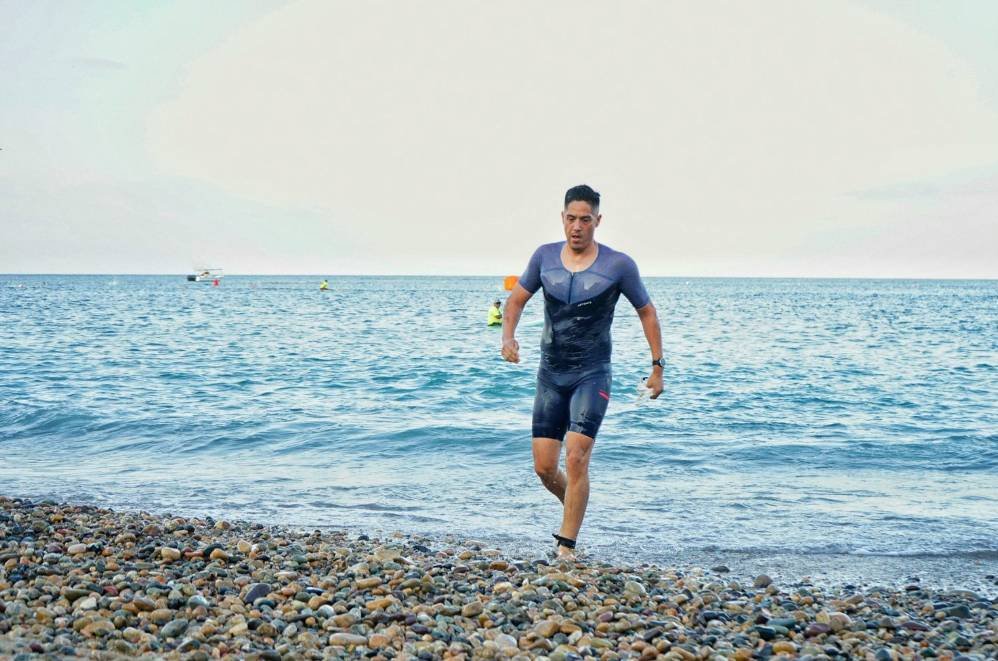
Zone 5 swim training represents the highest sustainable intensity an athlete can sustain in the water and sits at the upper limit of usable oxygen uptake. At this effort level, stroke rate increases sharply, breath becomes rapid and timing and coordination require deliberate control. Fatigue accumulates quickly because energy demand exceeds the body’s ability to clear by-products efficiently, which is why Zone 5 swim work must always be short and structured.
In swimming, Zone 5 is not simply about going hard. It is about producing speed while maintaining body position, stroke mechanics and breathing rhythm under extreme demand. Poor technique at this intensity leads to wasted energy and breakdown rather than adaptation. When applied correctly, Zone 5 swim training raises the aerobic ceiling, allowing lower-intensity swim work to feel more controlled and economical while improving an athlete’s ability to handle fast starts, surges and short accelerations in both pool and open-water environments.
How Zone 5 Is Measured in Triathlon Swim Training
Training zones provide a shared framework for managing intensity across swimming, cycling and running. In triathlon swimming, this matters because high-intensity effort must be precisely controlled to maintain stroke quality while applying maximal aerobic stress. Clear metrics allow swimmers to execute Zone 5 work with precision, ensuring high-intensity sessions deliver their intended benefit without unnecessary fatigue or loss of technical control.
How zones are defined in triathlon
Swim pace (CSS):
CSS stands for Critical Swim Speed and represents an athlete’s threshold swim pace or the fastest pace that can be sustained for a prolonged, steady effort. It provides a practical benchmark for defining swim training zones in triathlon.Heart rate:
Measures how frequently the heart beats per minute and reflects the body’s internal response to effort. In training, it is used to estimate how hard the cardiovascular system is working relative to an athlete’s maximum or threshold heart rate.Perceived effort (RPE):
RPE stands for Rate of Perceived Exertion and describes how hard a session feels to the athlete on a subjective scale. It acts as a universal reference that helps translate internal sensations of effort into usable training intensity.
Each training zone serves a specific purpose within long-term swim development, from reinforcing technique and aerobic control to applying short, high-intensity stress when required. In swimming, the value of zones lies in pairing the correct effort with clean execution rather than chasing speed alone. When intensity is aligned with purpose, swim training becomes easier to control, easier to recover from and more consistent across the season and into race preparation.
Zone 5 Swim Intensity and Metrics
Zone 5 swim training is short, sharp and highly demanding, sitting at the upper limit of aerobic intensity in the water. This is the VO2 max training zone, where oxygen demand is at its highest and the aerobic system is pushed to its usable ceiling. At this level of effort, lactate accumulates faster than it can be cleared, placing Zone 5 at the upper edge of a swimmer’s aerobic capacity. Because this load cannot be sustained for long, Zone 5 swim work is always performed in brief, controlled intervals rather than continuous efforts.
Zone 5 intensity guidelines
Swim pace: >105% of CSS
Heart rate: 93–100% of maximum heart rate
RPE: 9–10
Effort: Very hard
Purpose: VO2 max development, aerobic capacity and high-intensity tolerance
Use the FLJUGA Swim Training Calculators to calculate your Max HR and Critical Swim Speed (CSS) training zones for Zone 5 swim training.
Zone 5 swim training feels extremely hard and demanding, with effort driven to the aerobic ceiling. Breathing becomes rapid, stroke rate increases and coordination requires conscious control to maintain body position and propulsion. Fatigue builds quickly, which is why recovery between efforts is essential for preserving pace and stroke quality. When applied with restraint and placed carefully within the training week, Zone 5 swim training raises the aerobic ceiling and improves efficiency at lower intensities without overwhelming the endurance and threshold work that supports long-term swim development.
Explore the FLJUGA Triathlon Training Zones 1–5 Guide to learn how each zone fits into effective triathlon swim, bike and run training.
How to Use Zone 5 Swim Training
Zone 5 swim training places a very high demand on the aerobic system and should be used with restraint. Because the intensity is so high, it is typically introduced once per week at most and positioned carefully within the training week. Zone 5 swim sessions work best when surrounded by recovery or endurance-focused swims so the quality of the work can be maintained without carrying excessive fatigue into subsequent sessions.
Zone 5 swim training commonly takes the following forms:
Short intervals (30 seconds to 5 minutes):
These efforts allow swimmers to reach VO2 max intensity while maintaining stroke control and body position. Recovery between efforts is essential to preserve pace and ensure each repetition is executed with intent rather than survival.High-intensity repeats with full recovery:
Short, fast repeats with generous rest are used to maximise aerobic stress while protecting technique. The focus is on repeatable speed rather than accumulating fatigue.Short pickups within longer swims:
Brief Zone 5 efforts added to endurance swims can introduce neuromuscular sharpness without turning the entire session into a maximal workout. These efforts are very short and carefully controlled to avoid technical breakdown.Structured VO2 max blocks during race preparation:
In specific phases of swim training, Zone 5 work may be grouped into focused blocks to raise the aerobic ceiling. These sessions are planned deliberately and followed by adequate recovery to prevent excessive fatigue accumulation.
Because Zone 5 swim work is so demanding, overall volume must remain low. The goal is not to accumulate distance at intensity, but to execute each repetition with precision, speed and technical control. When quality is prioritised over quantity, Zone 5 swim training delivers its intended benefit without compromising recovery, consistency or long-term swim development.
Zone 5 vs Other Swim Training Zones
Every training zone plays a distinct role in swim performance, with each contributing a specific adaptation in the water. Zone 5 sits at the high end of the aerobic intensity spectrum and helps improve efficiency, speed and control across the lower swim training zones.
Zone 1 / Recovery:
Effort: Very easy
Use: Warm-ups, cool-downs, recovery daysZone 2 / Endurance:
Effort: Easy
Use: Aerobic swims, technique-focused endurance workZone 3 / Tempo:
Effort: Moderately hard
Use: Tempo intervals, steady-state effortsZone 4 / Threshold:
Effort: Hard
Use: Sustained intervals, Lactate managementZone 5 / VO2 Max:
Effort: Very hard
Use: Short intervals, fast repetitions, peak sharpeningUse the FLJUGA swim training Calculator to calculate your max heart rate and CSS to find your exact Zone 5 ranges.
The Risk of Misusing Zone 5 Swim Training
Zone 5 swim training delivers a very high training stimulus but also carries a high cost. Because the intensity is very hard, misuse quickly leads to accumulated fatigue rather than meaningful adaptation. In swimming, the most common problems occur when precision is replaced by frequency or restraint is replaced by habit, leading to technical breakdown rather than improved performance.
Avoid these Swim mistakes
Stacking Zone 5 swim sessions too closely:
Performing multiple Zone 5 swim sessions without sufficient recovery reduces repeat quality, limits adaptation and increases the risk of excessive fatigue or loss of stroke efficiency.Assuming more intensity equals more progress:
Overestimating volume by chasing time at very high swim intensity often leads to diminishing returns, stalled progress and persistent fatigue rather than improved speed or capacity.Allowing all swim training to drift hard:
Turning regular swim sessions into consistently demanding efforts blurs the purpose of training zones and undermines the endurance and technique-focused work that supports long-term swim development.
Zone 5 swim training should be used as a precise and controlled tool, applied deliberately to enhance performance. Its value comes from timing, intent and restraint rather than frequency or volume. When treated as a blunt hammer instead of a sharp instrument, Zone 5 swim work wears the swimmer down, blunts adaptation and erodes the consistency required to build lasting capacity in the water.
Example Zone 5 Swim Sessions
Zone 5 swim sessions are built around short, high-quality efforts with full recovery to preserve precision, speed and technical control. These examples show how Zone 5 can be applied in swim training without excessive volume or unnecessary fatigue.
Zone 5 swim training in your plan
6 × 2 minutes at Zone 5 with 90 seconds recovery:
A classic VO2 max swim format that allows swimmers to reach very high aerobic intensity while maintaining repeatable pace and stroke quality across intervals.8 × 50–100 metres Zone 5 with full recovery:
Short, fast swim repetitions designed to stress aerobic capacity while allowing body position, timing and propulsion to remain controlled.4 × 3 minutes at VO2 effort with easy swim recovery:
Sustained high-intensity swim efforts that push aerobic capacity while reinforcing rhythm and breathing control under fatigue.12 × 30 seconds Zone 5 with 90 seconds easy swim:
Very short, sharp swim efforts that raise oxygen demand quickly while keeping overall session stress manageable and technically clean.5 × 1 minute Zone 5 surges mid-session with full recovery:
Brief high-intensity swim efforts embedded within a longer endurance swim to add sharpness without turning the entire session into a maximal workout.
Start small and progress steadily. Build swim intensity carefully with thoughtful steps, focusing on precision and repeatability rather than sheer volume to ensure Zone 5 swim work enhances performance without compromising recovery, technique or long-term consistency.
Who Actually Needs Zone 5 Swim Training
Zone 5 swim training is not reserved for elite swimmers or short-course specialists. Its real value lies in how it raises the aerobic ceiling in the water, which improves efficiency, control and sustainability across all lower swim training zones. As VO2 max improves, the relative effort required in Zones 1–4 decreases, allowing endurance, tempo and threshold swims to feel more manageable at the same pace. Zone 5 swim work also sharpens neuromuscular coordination and improves the ability to tolerate and manage high-intensity effort while maintaining stroke rhythm and body position.
Swimmers who benefit most from Zone 5 training are those looking to unlock further adaptation without increasing overall swim volume. This includes triathletes who have plateaued despite consistent aerobic swim work, athletes preparing for higher race-start intensity or open-water surges and those aiming to improve efficiency rather than simply add more metres. When used sparingly and with clear intent, Zone 5 swim training strengthens aerobic capacity, stroke responsiveness and high-intensity tolerance, allowing the work done at lower intensities to deliver greater return with less accumulated fatigue.
FAQ: Zone 5 Swim Training
What is Zone 5 swim training in triathlon?
Zone 5 triathlon swim training uses short, very high-intensity intervals to develop VO2 max. It improves oxygen uptake, swim speed and stroke efficiency while helping athletes perform more efficiently at lower training intensities.
How is Zone 5 swim training measured?
Zone 5 swim training can be measured using maximum heart rate, Critical Swim Speed (CSS) and rate of perceived exertion (RPE). These metrics help athletes reach the intended VO2 intensity while maintaining effective stroke mechanics.
How often should Zone 5 swim training be used?
Most triathletes benefit from one Zone 5 swim session per week at most, depending on their training phase, recovery capacity and overall training load. VO2 sessions are most effective when balanced with endurance swimming, threshold sessions and recovery swims.
What is the biggest mistake with Zone 5 swim training?
The biggest mistake is performing too much high-intensity swimming or extending intervals beyond the intended VO2 intensity. Keeping Zone 5 sessions short, controlled and well recovered helps athletes maximise aerobic adaptations while reducing unnecessary fatigue.
Final Thoughts
Zone 5 swim training is not about chasing exhaustion or proving fitness through speed, but about using intensity with purpose to raise the aerobic ceiling and sharpen responsiveness in the water. When applied with restraint, it improves efficiency and control across endurance, tempo and threshold swim work rather than competing with them. The swimmers who benefit most are those who respect the cost of high intensity, prioritise quality over volume and place Zone 5 carefully within a balanced training structure. Used deliberately and sparingly, Zone 5 swim training supports long-term swim performance and consistent progress.
FURTHER READING: BUILD YOUR TOP-END SPEED
Triathlon Training: Zones 1–5 Explained
Triathlon Training: What Is Zone 1 / Active Recovery Workouts?
Triathlon Training: What Is Zone 2 / Endurance Swim Workouts?
Triathlon Training: What Is Zone 3 / Tempo Swim Workouts?
Triathlon Training: What Is Zone 4 / Threshold Swim Workouts?
Distance Guides
Triathlon Training: The Complete Beginner’s Guide to the Olympic Triathlon
Triathlon Training: How to Train for Ironman 70.3: The Complete Training Guide
Triathlon Training: How to Train for an Ironman: The Complete Training Guide
Triathlon Training: Triathlon Distances Explained: Which Race Is Right for You?
Triathlon Training: Half Ironman / 70.3 vs Full Ironman: What’s the Difference?
Always consult with a medical professional or certified coach before beginning any new training program. The information provided is for educational purposes only and is not a substitute for personalized advice.