10 Sprint Triathlon Zone 3 / Tempo Example Bike Sessions
Summary:
Zone 3 bike training plays an important role in developing sustainable power and controlled riding for Sprint triathlon. These 10 structured tempo bike sessions improve pacing control, pedalling efficiency and fatigue resistance while helping athletes maintain smooth, consistent power at a moderately hard but repeatable intensity.
Why Sprint Tempo Bike Training Matters
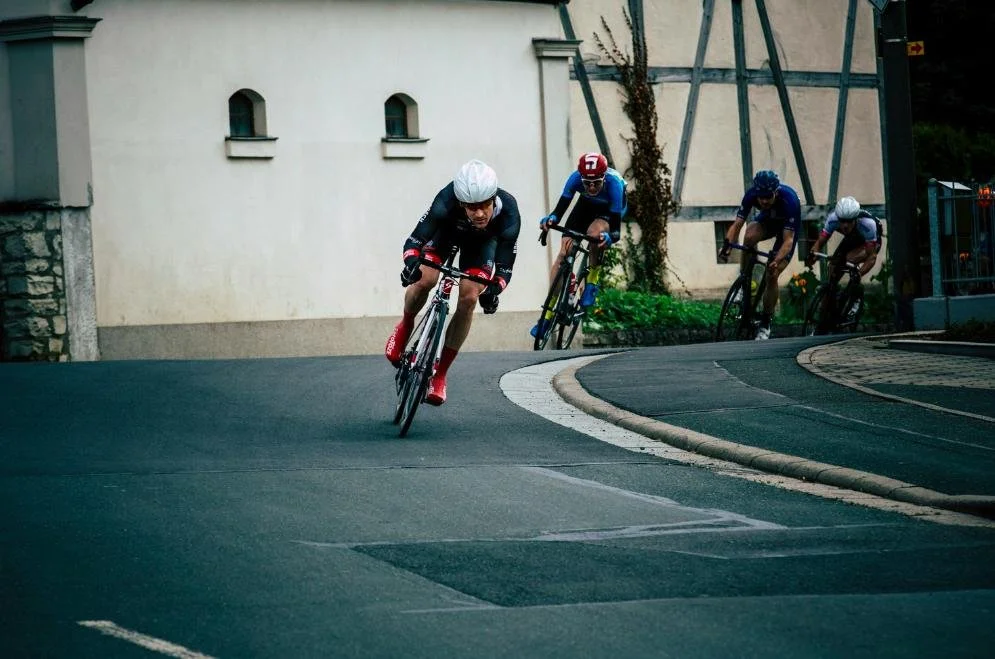
Tempo bike training plays a central role in Sprint triathlon preparation because it develops the ability to sustain controlled power at a higher relative intensity without accumulating excessive fatigue. While endurance riding builds the aerobic foundation and threshold work raises the upper limit of sustainable output, Zone 3 training occupies the space just above easy endurance where control, efficiency and pacing discipline are refined under pressure. This makes tempo work especially valuable for teaching athletes how to manage effort across the bike leg without forcing intensity or relying on surges that compromise consistency before the run.
Zone 3 bike training targets an effort that feels purposeful yet controlled. This is a slightly more demanding version of Zone 2, where lactate production increases but can still be managed effectively, allowing athletes to hold steady power with smooth cadence and stable breathing. This makes tempo riding well suited to accumulating quality work while reinforcing pacing discipline at speed. Repeated exposure to Zone 3 improves durability, limits fade and supports controlled riding under fatigue, helping athletes arrive at the run strong, composed and ready to execute.
Metrics Guide for Tempo Bike Training
Understanding how tempo bike training is measured helps ensure sessions are executed at the correct intensity and deliver their intended effect in Sprint triathlon preparation. Zone 3 sits between easy endurance and threshold, which makes clear metrics essential for keeping effort controlled rather than drifting too hard or becoming too relaxed.
Heart rate measures how frequently the heart beats per minute and reflects the body’s internal response to effort. It is used to estimate how hard the cardiovascular system is working relative to an athlete’s maximum or threshold heart rate. FTP or Functional Threshold Power represents the highest average power an athlete can sustain at threshold intensity for approximately one hour and is used as a reference point for defining cycling zones and expressing intensity relative to sustainable effort. RPE or Rate of Perceived Exertion describes how hard a session feels to the athlete on a subjective scale and provides a practical reference for regulating effort alongside power and heart rate.
Tempo Bike Metrics
Heart Rate: 80–87% of Max HR, 90–95% LTHR
Bike Power: 76–90% of FTP
RPE: 5–6
Effort: Moderately hard
Purpose: Sustainable speed, pacing control and fatigue tolerance
Use the FLJUGA Bike Training Calculators to calculate your heart rate zones and power training zones for accurate Zone 3 training.
These metrics define an intensity that allows meaningful quality riding to be accumulated without excessive strain. Staying within this range ensures tempo sessions remain repeatable and support durability, pacing control and efficient power delivery. When effort is clearly defined and consistently respected, Zone 3 bike training becomes a reliable foundation for Sprint triathlon development rather than a grey area effort that compromises recovery or training balance.
Explore the FLJUGA Sprint Triathlon Training Zones 1–5 Guide to learn how each zone fits into effective Sprint swim, bike and run training.
10 Example Sprint Triathlon Tempo Bike Workouts
1. Continuous Tempo Block
Purpose: Build sustained aerobic pressure
Warm-Up: 15 min easy spin
Main Set: 2 x 15 min @ Zone 3 (3 min easy spin between)
Cool-Down: 10 min easy spin
2. Tempo Ladder Set
Purpose: Reinforce pacing control across varied durations
Warm-Up: 15 min easy spin
Main Set: 10 – 15 – 20 min @ Zone 3 (5 min easy spin between)
Cool-Down: 10 min easy spin
3. Over-Under Tempo Blocks
Purpose: Shift between upper Zone 2 and lower Zone 3
Warm-Up: 15 min easy spin
Main Set: 4 x (5 min @ Zone 2 + 5 min @ Zone 3) 3 min easy spin between
Cool-Down: 10 min easy spin
4. Split Tempo Session
Purpose: Break aerobic effort into focused blocks
Warm-Up: 10 min easy spin
Main Set: 3 x 10 min @ Zone 3 (3 min easy spin between)
Cool-Down: 10 min easy spin
5. Progressive Zone Build
Purpose: Build through aerobic and threshold effort in a single set
Warm-Up: 12 min easy spin
Main Set: 10 min @ Zone 2 – 10 min @ Zone 3 – 10 min @ Zone 4
Cool-Down: 10 min easy spin
6. Short Repeats Tempo
Purpose: Reinforce control over short Zone 3 intervals
Warm-Up: 10 min easy spin + drills
Main Set: 6 x 6 min @ Zone 3 (2 min spin between)
Cool-Down: 10 min easy spin
7. Mid-Ride Tempo Blocks
Purpose: Apply pressure mid-ride with controlled intensity
Warm-Up: 15 min easy spin
Main Set: 15 min @ Zone 3 – 10 min easy spin – 10 min @ Zone 3
Cool-Down: 10 min easy spin
8. Long Tempo Push
Purpose: Develop sustained focus and resilience
Warm-Up: 15 min easy spin
Main Set: 1 x 30 min @ Zone 3
Cool-Down: 10 min easy spin
9. Build + Hold Tempo
Purpose: Progress into a strong aerobic effort
Warm-Up: 12 min easy spin
Main Set: 10 min @ Zone 2 + 20 min @ Zone 3
Cool-Down: 10 min easy spin
10. Tempo Blocks with Cadence Drill
Purpose: Hold Zone 3 while refining pedalling technique
Warm-Up: 15 min easy spin + high cadence
Main Set: 3 x 8 min @ Zone 3 (1 min high-cadence spin between)
Cool-Down: 10 min easy spin
Common Mistakes with Zone 3 Bike Training
Zone 3 bike sessions are highly effective for building sustainable power and pacing control in Sprint triathlon preparation, but only when they are executed with discipline and intent. Because tempo riding sits at a moderately hard intensity, it is easy for effort to drift too high or for sessions to quietly become more fatiguing than planned. Avoiding these mistakes helps ensure Zone 3 work supports durability and consistency rather than undermining recovery or run performance.
Riding too hard for too long:
Allowing Zone 3 efforts to creep toward threshold for extended periods significantly increases fatigue without improving the intended training effect. Tempo sessions should feel purposeful yet controlled, leaving athletes able to complete the work with stable power and good form.Allowing effort to gradually rise:
Letting effort increase across a session often appears as heart rate climbing for the same power, breathing becoming more strained and perceived effort rising late in the ride. This shift reduces repeatability and moves the workout away from its purpose of controlled and sustainable work.Overusing tempo rides:
While Zone 3 work is valuable, relying on it too frequently can crowd out lower intensity endurance riding and compromise recovery across the week. Tempo sessions are most effective when placed deliberately alongside easier rides that support aerobic development and long term consistency.Poor fuelling practice:
Even during shorter preparations, tempo riding places meaningful demand on energy availability. Failing to fuel adequately can result in falling power and declining concentration, turning controlled work into unnecessary fatigue. Consistent fuelling supports stable effort and preserves quality.Skipping warm-ups or cool-downs:
Although Zone 3 is not maximal, it still places meaningful load on the body. Skipping warm-ups can lead to stiff and unresponsive legs early in the ride, while skipping cool-downs may slow recovery and affect training quality in the days that follow.
When applied with restraint and consistency, Zone 3 bike training builds control, confidence and durability. By managing effort carefully, fuelling appropriately and respecting recovery, these sessions become a reliable foundation for Sprint triathlon development rather than a source of accumulated fatigue.
FAQ: Sprint Zone 3 / Tempo Bike Training
What are Zone 3 bike sessions for Sprint triathlon?
Zone 3 bike sessions are structured tempo workouts designed to improve sustainable power, pacing control and cycling efficiency. They help athletes develop the ability to maintain steady power output without drifting into threshold intensity or accumulating excessive fatigue.
How is Zone 3 bike training measured in Sprint triathlon?
Zone 3 bike training is measured using maximum heart rate, lactate threshold heart rate (LTHR), Functional Threshold Power (FTP) and rate of perceived exertion (RPE). These metrics help athletes maintain the correct tempo intensity and ensure each session remains controlled, repeatable and effective.
How often should Zone 3 bike sessions be used in Sprint triathlon training?
Most Sprint triathletes benefit from one dedicated Zone 3 bike session each week, depending on their cycling volume, recovery capacity and overall training phase. Tempo rides are most effective when balanced with endurance riding and higher-intensity sessions.
What is the biggest mistake with Zone 3 bike training for Sprint triathlon?
The most common mistake is riding above the intended tempo intensity or allowing power to drift into threshold. Maintaining consistent pacing, smooth cadence and controlled effort ensures athletes gain the full benefit of each session while managing recovery effectively.
Final thoughts
Zone 3 tempo bike training plays a central role in Sprint triathlon preparation by strengthening sustainable power while preserving the ability to run well off the bike. When used with intent, these sessions improve pacing discipline, resilience and confidence, allowing athletes to ride strongly without accumulating unnecessary fatigue. The key to effective tempo work is control. Effort should remain purposeful yet repeatable, supported by appropriate recovery and balanced carefully with endurance riding and higher intensity preparation. When intensity is respected and execution remains steady, Zone 3 sessions become a reliable foundation for consistent performance rather than a grey area that disrupts training balance.
FURTHER READING: BUILD TEMPO BIKE FITNESS
Sprint Triathlon: Training Zones 1–5 Explained
Triathlon Training: What Is Zone 1 / Active Recovery?
Sprint Triathlon: What Is Zone 2 / Endurance?
Sprint Triathlon: What Is Zone 3 / Tempo?
Sprint Triathlon: What Is Zone 4 / Threshold?
Sprint Triathlon: What Is Zone 5 / VO2 Max?
Sprint Triathlon Sessions
Sprint Triathlon: 10 Example Zone 3 / Tempo Brick Sessions
Sprint Triathlon: 10 Example Zone 3 / Tempo Swim Sessions
Sprint Triathlon: 10 Example Zone 4 / Threshold Run Sessions
Sprint Triathlon: 10 Example Training Run Sessions
Always consult with a medical professional or certified coach before beginning any new training program. The information provided is for educational purposes only and is not a substitute for personalized advice.