Summary:
Threshold running gives you an opportunity to become more confident managing a hard, controlled effort during your sprint triathlon preparation. These ten Zone 4 sessions offer a variety of workout structures to explore, with room to adjust the amount of running as your experience develops.
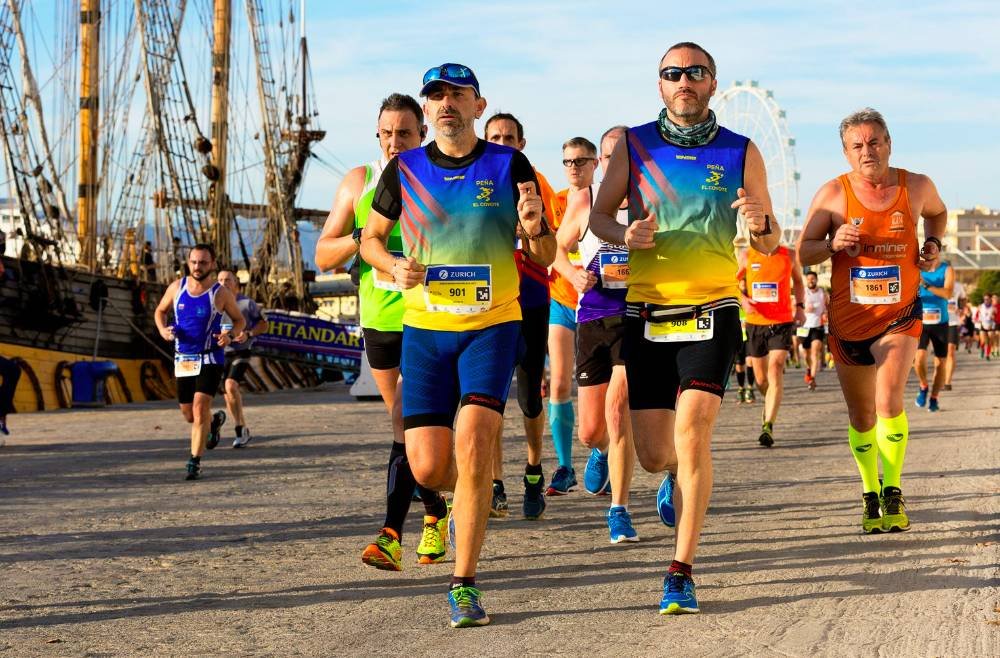
Getting Started With Threshold Runs for Sprint Triathlon
Finding a suitable threshold effort can take a little practice, particularly if you are used to judging a successful run by how fast you finish. Zone 4 running should feel hard, but you should still be able to manage your pace throughout the work. Starting at an effort you can maintain gives you a chance to become familiar with that balance and recognise how the running feels as the session continues.
These ten workouts offer different ways to explore threshold running during your sprint triathlon preparation. Choose a session that feels approachable based on the running you already do, then adjust the amount of work where needed. Completing fewer repetitions can be a useful starting point, while shortening an effort may help you keep the running controlled. As you gain experience, you can revisit the sessions with a better understanding of what suits you.
Our How to Apply Training Zones in Sprint Triathlon Training guide explains how to use the different intensities within your preparation. To calculate pace or heart rate ranges for your runs, visit our Running Calculators before choosing a session.
10 Threshold Run Sessions for Sprint Triathlon Training
1. Classic Threshold Repeats
Purpose: Accumulates threshold running across repeated efforts, with short recoveries helping you maintain consistent pacing throughout the session.
Warm-Up: 15 min jog
Main Set: 4 × 6 min @ Zone 4 (90 sec jog between)
Cool-Down: 10 min jog
2. Broken Threshold Blocks
Purpose: Divides each threshold block into two shorter efforts, giving you a brief reset before returning to the intended pace.
Warm-Up: 15 min jog
Main Set: 3 × (3 min @ Zone 4 → 60 sec jog → 2 min @ Zone 4) (2 min jog between sets)
Cool-Down: 10 min jog
3. Progressive Threshold Intervals
Purpose: Develops your ability to maintain a controlled threshold effort as each interval becomes longer and fatigue accumulates.
Warm-Up: 15 min jog
Main Set: 4 min → 6 min → 8 min @ Zone 4 (2 min jog between)
Cool-Down: 10 min jog
4. Threshold Intervals
Purpose: Breaks the threshold work into manageable repetitions, giving you regular opportunities to recover and settle back into your running rhythm.
Warm-Up: 15 min jog
Main Set: 5 × 4 min @ Zone 4 (90 sec jog between)
Cool-Down: 10 min jog
5. Continuous Threshold Block
Purpose: Develops the pacing control needed to sustain threshold running without recovery breaks, managing the effort as it becomes more demanding.
Warm-Up: 15 min jog
Main Set: 20 min continuous @ Zone 4
Cool-Down: 10 min jog
6. Pyramid Threshold Set
Purpose: Develops your judgement across changing interval lengths, maintaining a controlled threshold effort through the longer middle repetition and the shorter efforts that follow.
Warm-Up: 15 min jog
Main Set: 3 min → 5 min → 7 min → 5 min → 3 min @ Zone 4 (90 sec jog between)
Cool-Down: 10 min jog
7. Alternating Threshold Blocks
Purpose: Gives you practice making small adjustments within your threshold range, increasing the effort towards the end of each block while maintaining control.
Warm-Up: 15 min jog
Main Set: 3 × (5 min @ lower Zone 4 → 2 min @ upper Zone 4) (90 sec jog between sets)
Cool-Down: 10 min jog
8. Threshold Into VO2 Intervals
Purpose: Introduces short periods of very hard running after threshold work, challenging you to increase the intensity when some fatigue has already developed.
Warm-Up: 15 min jog
Main Set:
3 × 5 min @ Zone 4 (90 sec jog between)
90 sec jog before moving into
3 × 1 min @ Zone 5 (1 min jog between)
Cool-Down: 10 min jog
9. Long Threshold Repeats
Purpose: Extends the time spent at threshold within each effort, developing your ability to maintain a steady pace before taking recovery.
Warm-Up: 15 min jog
Main Set: 2 × 10 min @ Zone 4 (3 min jog between)
Cool-Down: 10 min jog
10. Tempo Into Threshold
Purpose: Develops your ability to move from tempo into harder threshold running, sustaining the increased effort without a recovery break between the two intensities.
Warm-Up: 15 min jog
Main Set: 10 min @ Zone 3 → 8 min @ Zone 4
Cool-Down: 10 min jog
Making Threshold Running Part of Your Sprint Preparation
The run in a sprint triathlon follows the swim and bike, but that does not mean every threshold workout needs to begin with tired legs. A separate run gives you the opportunity to concentrate on the threshold effort itself and learn how to manage it without the immediate demands of cycling beforehand. Brick sessions have their own place in practising the transition between disciplines, so consider the purpose of the workout when deciding how to include it.
Your harder cycling and swim sessions also matter when planning threshold runs. Placing demanding workouts close together can leave you carrying fatigue into a run that you intended to approach feeling recovered. Give the threshold session enough space within your week to complete it well and consider how you feel afterwards before taking on another hard workout. Even when you are preparing for a shorter event, recovery remains part of making the training useful.
Our How Can Threshold Work Improve Sprint Triathlon Performance? guide explores the role of threshold training and how it can contribute to your preparation for the event.
Final Thoughts
A threshold run can bring an enjoyable challenge to your sprint triathlon preparation. There is satisfaction in settling into a hard effort and reaching the end knowing you managed it well. Finding a workout structure you enjoy can make these sessions something you look forward to as your running develops.
The ten sessions give you options for keeping that challenge interesting. You might return to a favourite for several weeks or choose a different workout when you fancy a change. Give yourself time to become familiar with the sessions you choose and enjoy discovering what works for you as you prepare for your sprint triathlon.
Always consult with a medical professional or certified coach before beginning any new training program. The information provided is for educational purposes only and is not a substitute for personalized advice.