Summary:
Starting to run for triathlon means finding a manageable beginning and building from it alongside your swimming and cycling. This guide explains how to develop a running routine that suits your current ability, helping you grow comfortable on your feet before connecting that running to the demands of your event.
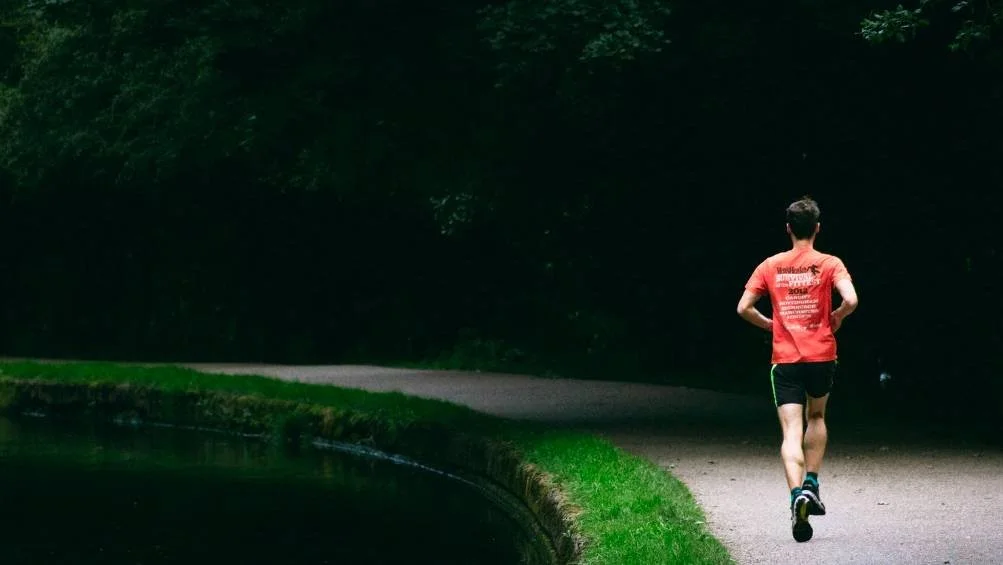
Beginning Your Running as a Triathlete
Running might be the part of triathlon you are most looking forward to or the discipline that makes you question where to begin. You may already enjoy cycling but find that a few minutes of running leaves you surprisingly breathless. Perhaps you are beginning all three sports together and trying to understand how much exercise belongs in your week. There is room for each of those starting points. You do not need to arrive with an established running background to begin learning.
Your first task is to find running you can manage and return to regularly. That may involve alternating short runs with walking, then gradually spending more of each outing running as it becomes comfortable. The swimming and cycling around those sessions matter too, because they contribute to the work you are recovering from. We will begin with your first outings and work towards fitting running into your triathlon preparation, including when to explore running after the bike.
Where Should You Start With Your Running?
Begin with what you have been doing recently, rather than the distance your event will eventually ask you to cover. If you have not been running, your first outing does not need to establish how far you can go without stopping. A short session gives you an opportunity to experience the movement and see how your legs feel afterwards. If brisk walking is already comfortable, short periods of gentle running may be a useful next step. If walking itself feels demanding, spend time becoming comfortable with that before adding running.
An existing swimming or cycling background can help your general fitness, but running introduces a different demand on your legs. Each step involves supporting your body and absorbing the landing, which is quite different from being supported by water or a saddle. Your breathing may feel capable of more before you know how well your legs will respond to repeated runs. Give yourself time to find that out. Starting with less than you think you could manage leaves room to build from experience.
What Do You Need Before Your First Run?
Comfortable running shoes and clothing suited to the conditions are enough to get you started. Your shoes should feel secure without pinching, with room for your toes to move. If you are unsure about fit, a running shop can help you try different options, but you do not need a particular brand or an expensive racing shoe to begin. Clothing that stays comfortable as you move makes the outing easier to enjoy.
Choose a route that makes the running straightforward. A familiar, relatively flat loop can help you judge effort without a steep hill making every short run feel harder. Being able to return home easily also means you can shorten the outing if needed. A basic timer is useful for run-walk sessions, whether it is on your phone or a watch. Pace data can wait. For now, knowing when to run and when to walk is enough information to guide the session.
How Can Run-Walk Sessions Help You Begin?
Alternating running with walking gives you a way to practise running without needing to maintain it continuously from the start. The walking periods allow your breathing to settle before you begin again, helping you keep the running manageable across the whole outing. You can plan those breaks rather than waiting until you feel exhausted. That changes the session from seeing how long you can last to completing an amount of running you have chosen.
If you are already comfortable walking and want an example of how an early session could look, the structure below provides a starting point. It is an illustration, not a requirement to complete every repetition. Shorten the running periods or do fewer if needed. Someone who already runs comfortably may begin further along, while someone new to regular exercise may need more time walking first.
Begin With Walking: Walk for around five minutes, gradually moving at a purposeful pace so you have time to settle into the outing.
Alternate Running and Walking: Try one minute of gentle running followed by 90 seconds of walking, repeated up to six times. Keep the running controlled enough that you can return to it after each walking break.
Finish With Walking: Allow a few minutes of comfortable walking before finishing. Notice how the session felt as a whole, including whether the later running periods remained manageable.
Repeat a suitable version before making it harder. Finishing the running periods more comfortably is progress, even when the timer shows the same session. You are building familiarity with running as well as fitness and that gives you a stronger starting point for what comes next.
BEGIN WITH THE RUNNING YOU CAN MANAGE TODAY.
How Easy Should Your First Runs Feel?
“Easy” describes the effort you are aiming for, not a particular pace. During gentle running, you should generally be able to speak in comfortable sentences. If you are struggling to get a few words out, slow down or return to walking until the effort settles. You may find that even a slow jog feels demanding at first. That does not mean you have failed to find the right speed. Shorter running periods can give you a more manageable way to begin.
As you practise, you will become more familiar with the difference between breathing a little harder and working beyond the effort you intended. That awareness is useful across your triathlon training, especially when enthusiasm encourages you to turn every session into a test. How Does Easy Running Support Your Triathlon Preparation? explains the role of this work. When you are ready to explore how plans describe different efforts, What Are Triathlon Training Zones and How Do They Work? introduces the framework without requiring you to use precise targets from your first run.
How Often Should You Run Alongside Swimming and Cycling?
Two short runs or run-walk outings may provide an initial routine for someone adding running to existing swimming and cycling. Some beginner plans use three runs, but the right starting point depends on the exercise you already do and how you recover from it. Leave a day without running between early outings so you can see how your legs respond before repeating the work. Establishing those sessions comfortably is more useful than filling the calendar with the number you think a triathlete should complete.
Look at what sits around the runs as well. A day without running is not necessarily an easy day if it contains a demanding bike session. When you are introducing running, keeping the other training familiar makes it easier to understand the effect of the new work. You may need to shorten an existing ride to make room, rather than simply adding running on top. The aim is to create a week you can manage across the disciplines, with enough energy to keep learning each one.
How Do You Progress From Short Runs to Longer Running?
As the running periods become more comfortable, you can begin extending them while keeping walking available between efforts. Progress does not have to mean making the whole outing longer. You might spend more of the same session running, then repeat that arrangement until it feels familiar. This gives you a clear change to assess. Making the whole session longer while also shortening the walking breaks increases both demands at once, making it harder to judge how you are responding.
Use both the session and your response afterwards to guide the next step. Completing the final running period comfortably is encouraging, but it also matters whether your legs recover enough for the following days. If you are struggling to repeat familiar training, hold the running steady or reduce it while you reassess the week. Zone 2 Triathlon Training Explained: The Role of Endurance explores the easier endurance work that will become a regular part of your preparation as you develop.
Extend the Running Periods: When short efforts feel manageable, lengthen some of them while keeping enough walking between them to regain control of your breathing.
Allow Continuous Running to Develop: If you become comfortable joining running periods together, try a short continuous run. Walking can remain part of longer runs while that develops.
Increase the Run When You Are Ready: Once you are handling the current amount of running well, a slightly longer session can provide the next challenge. The other runs do not all need to increase with it.
Repeat When It Helps: A session does not stop being useful because you have completed it before. Repetition gives you time to become comfortable and recognise how your response is changing.
Your progress may be quicker in some weeks than others. Work commitments or a harder cycling session can affect what feels manageable, so the calendar alone cannot decide when you should do more. Keep the next step small enough to understand its effect. There is no single weekly percentage increase that guarantees a suitable progression for everyone.
When Should You Introduce Faster Running?
You do not need faster sessions to make your first weeks of running worthwhile. Becoming able to run regularly at a manageable effort is already a meaningful development. Once that routine is established and fits comfortably alongside the other disciplines, your plan may introduce some stronger work. The reason should be clear. You might be developing your ability to maintain a stronger effort, rather than simply making a familiar run harder because you think it has become too easy.
Different sessions serve different purposes, and they do not all need a place in the same week. Why Include Tempo Running in Your Triathlon Preparation? explains sustained, moderately hard running. How Can Threshold Running Support Your Triathlon Training? looks at controlled work around a higher threshold effort, while Where Does VO2 Running Fit Into Triathlon Training? explores more demanding intervals that challenge aerobic capacity. Those options remain available as you develop. Introducing one should take account of any harder cycling and swimming already in your week, with enough recovery to keep the running consistent.
Do You Need to Change Your Running Technique?
It is easy to become self-conscious about how you run when you see advice about foot placement or the “correct” number of steps per minute. You do not need to solve every technical detail before your next run. Begin by finding a movement that feels comfortable at your intended effort, allowing your arms to move naturally and your breathing to remain manageable. Running slowly will not look identical to running quickly, and copying the stride of a faster athlete does not necessarily suit your pace or body.
A running or triathlon coach can provide useful feedback if something feels awkward or you would like help developing your movement. Any adjustment should have a clear purpose and give you time to become accustomed to it. There is no single cadence target that every beginner must reach and changing where your foot lands shifts the demands rather than removing them. If pain is prompting you to change your running, a physiotherapist or medical professional can help assess the problem instead of leaving you to experiment with repeated technique fixes.
When Should You Try Running After Cycling?
Once your separate runs feel manageable, you can begin exploring what it is like to run after a ride. These combinations are commonly called brick sessions. The first attempt can be small: a few minutes of easy running after a short, familiar ride may be enough to experience the change. Your legs may initially feel different from how they do at the beginning of an ordinary run. Give yourself time to find a comfortable rhythm without treating the pace as a test of your running ability.
Count those minutes as running within your week. A first brick might replace part of another run rather than becoming extra work simply because it follows cycling. Keeping the ride easy also makes it easier to learn what the transition feels like without arriving heavily fatigued. As your triathlon preparation develops, your plan can give these combinations a more specific purpose. At the beginning, becoming familiar with moving from the bike to your feet is a useful lesson on its own.
How Can You Tell Whether You Are Recovering Between Runs?
Your response over the following days helps you judge whether the running fits your current capacity. Some muscle soreness can occur when the activity is new, but it should not become something that repeatedly disrupts ordinary walking or the rest of your training. If your legs are still unusually tired when the next run comes around, you have information to use. Repeating a shorter session or taking more recovery may be more useful than trying to keep up with the original schedule.
Consider the whole week when making that decision. Replacing a missed run with a hard ride may keep the overall demand high, even though you have removed the running impact. Zone 1 Triathlon Training Explained: The Role of Recovery explains how very easy training can fit, while recognising that rest has its own place. Pain that worsens as you run, changes your movement or keeps returning needs attention rather than another attempt to push through. Stop the aggravating activity and seek advice from an appropriate healthcare professional.
How Do You Build Towards the Run in Your Chosen Triathlon?
Your event gives your running a direction, but you do not need to reach its full distance in your first weeks. Check the published run course so you know what you are working towards, including whether it is flat or includes hills. A short run on a smooth path can feel different from the same distance on uneven ground. As your routine develops, suitable sessions on similar terrain can help you become familiar with those demands without making every run a race rehearsal.
The amount of preparation needed will depend on the event and where you are starting. Working towards a shorter triathlon may involve developing comfortable running over a few kilometres, while longer events require a more substantial endurance foundation. Allow the goal enough time. If the event date is approaching faster than your running is developing, review the plan or consider a later event rather than forcing the remaining distance into a few sessions. Being ready includes having practised the bike-to-run transition, but it does not require completing the whole triathlon in training.
FAQ
Can You Use a Treadmill for Triathlon Run Training?
Yes. A treadmill can make running easier to arrange and allows you to control the pace during run-walk sessions. Give yourself time to learn the controls and use the safety clip. Include some outdoor running before the event so you also become familiar with moving over the surfaces and gradients you will encounter.
Do You Need to Run Without Walking Before Entering a Triathlon?
You do not need to treat continuous running as a qualification for beginning triathlon preparation. Walking can form part of your approach to the run, provided you can complete the event within its requirements. Check the organiser’s cut-offs and allow enough preparation time for the whole event.
Can a Running Group Help You Get Started?
A beginner-friendly group can provide encouragement and a regular opportunity to practise. Ask whether it accommodates run-walk sessions and explain that you are fitting running around triathlon training. The group’s session should suit your current ability rather than require you to keep up with more experienced runners.
Should You Restart After Missing a Week?
A missed week does not automatically mean returning to the beginning or jumping straight into the next planned increase. Consider why you stopped and how you feel now. A familiar, manageable session gives you a way to assess your return. Illness or injury may require a different approach and appropriate advice.
Final Thoughts
Starting to run for triathlon is a process of becoming familiar with something new. Your first sessions may contain more walking than running and that can still be a worthwhile beginning. As you return to the work, you will learn what an appropriate effort feels like and how much running fits alongside the other disciplines. Give that experience time to develop. A session you can finish comfortably and recover from gives you something to build on.
There will be a point when a run that once felt difficult becomes familiar. You may run for longer before choosing to walk or feel more at ease heading out on your own. Recognise those changes as part of becoming a triathlete. You do not need to match someone else’s starting point to make progress towards your event. Begin with the running you can manage and let your experience guide what comes next.
References
Anderson, L.M., Martin, J.F., Barton, C.J. and Bonanno, D.R. (2022) ‘What is the effect of changing running step rate on injury, performance and biomechanics? A systematic review and meta-analysis’, Sports Medicine - Open, 8, article 112.
Buchheit, M. and Laursen, P.B. (2013) ‘High-intensity interval training, solutions to the programming puzzle: Part I: cardiopulmonary emphasis’, Sports Medicine, 43(5), pp. 313–338.
Damsted, C., Glad, S., Nielsen, R.O., Sørensen, H. and Malisoux, L. (2018) ‘Is there evidence for an association between changes in training load and running-related injuries? A systematic review’, International Journal of Sports Physical Therapy, 13(6), pp. 931–942.
Kellmann, M. et al. (2018) ‘Recovery and performance in sport: Consensus statement’, International Journal of Sports Physiology and Performance, 13(2), pp. 240–245.
NHS (n.d.) ‘Couch to 5K running plan’, Better Health.
NHS (n.d.) ‘Knee pain and other running injuries’.
Rico Bini, R., Canal Jacques, T., Hunter, J. and Figueiredo, P. (2022) ‘Biomechanical and physiological implications to running after cycling and strategies to improve cycling to running transition: A systematic review’, Journal of Science and Medicine in Sport, 25(10), pp. 861–866.
Always consult with a medical professional or certified coach before beginning any new training program. The information provided is for educational purposes only and is not a substitute for personalized advice.