
Replacing Alcohol with Strength: Training Without Booze
Summary:
When you stop drinking, you don’t lose something, you gain space to build. This blog explores how sober endurance athletes replace alcohol with strength, both in the gym and in life. From physical transformation to mental power, these gains go far beyond fitness.
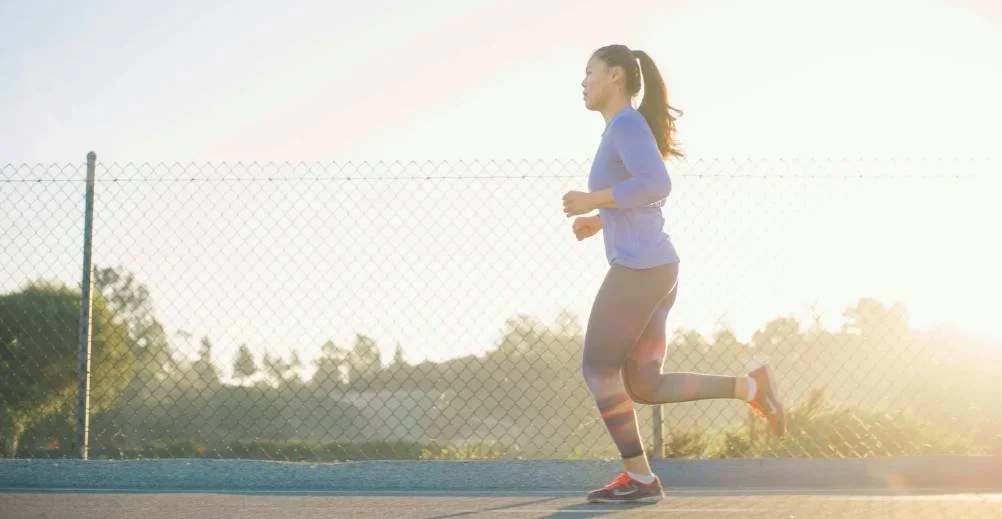
Replacing Alcohol with Strength: Training Gains Without Booze
There is a moment when something shifts. A quiet, powerful realisation that alcohol is no longer helping you become the athlete you want to be. Maybe it happens after another foggy morning or after a long run that felt harder than it should have. Maybe it comes from noticing that you feel better on the days when you skip the drinks. That moment matters. It opens a door.
Walking through that door is not about restriction. It’s about freedom. When you step away from alcohol, you don’t lose who you are. You find who you were meant to become and for athletes, that shift often leads directly to strength. Not just in the body, but in the mind, in the routine and in the discipline it takes to train with purpose.
Creating Space to Build
Alcohol doesn’t just impact the body in obvious ways. It takes up space in your sleep, your energy, your recovery and your identity. It inserts itself into your routine until it becomes invisible, part of the background noise of training and life. When you remove it, you create space that most people don’t even realise they’re missing.
That space gives you room to breathe, to recover more deeply and to train without friction. Without hangovers or late nights or disrupted sleep, the body finally gets what it needs to grow. You wake up with more energy, more clarity and more capacity. For many sober athletes, the physical results come faster, not because they’re training harder, because they’ve stopped working against themselves.
The Science of Physical Strength in Sobriety
Removing alcohol improves nearly every marker of physical recovery. Sleep quality increases. Inflammation decreases. Hormonal regulation becomes more stable. These changes are not theoretical. They’re physiological.
Muscle repair is faster without the systemic disruption that alcohol causes. Training loads are absorbed more effectively when the body isn’t fighting to rehydrate or reset. Athletes find they can train more consistently, lift heavier and recover with fewer setbacks. The progress that once felt inconsistent now becomes steady and sustainable. This is what happens when the body is finally allowed to function without compromise.
Mental Strength Follows Physical Progress
Training without alcohol doesn’t just impact your strength numbers or running pace. It changes the way you handle discomfort. Sobriety teaches patience, presence and control, three qualities that define strong athletes. When you’re sober, you become more attuned to what your body is telling you. You can feel fatigue honestly. You can push when it’s time and rest when it matters. You’re no longer masking signals or numbing stress. You’re moving through it.
That’s mental strength. It’s not about willpower or suffering. It’s about clarity, consistency and learning how to stay composed when your body is under pressure.
Redefining Your Identity as an Athlete
Many endurance athletes tie alcohol into their identity. It’s the celebratory drink after a race, the Friday night ritual, the reward after a hard week. It becomes part of the culture. Yet when you step back from drinking, you start to ask different questions. Who are you when you’re not drinking? What kind of athlete do you want to become?
For sober athletes, this shift in identity is powerful. It allows you to reconnect with your why. You train not to offset bad habits, to pursue something real. Your goals become cleaner. Your commitment deepens and slowly, you start to feel proud of the way you live, not just of the way you race.
Discipline Becomes Natural, Not Forced
One of the biggest shifts that happens in sobriety is your relationship with discipline. It no longer feels like a grind. You’re not constantly recovering from missed sleep or playing catch-up after another night out. You don’t need to punish yourself with long runs or spin sessions. You’re already in alignment.
Discipline stops being a form of control and starts becoming a form of care. You train because it feels good to build. You recover because you understand the value of rest. You no longer make decisions from guilt. You make them from strength.
Replacing Old Habits with Intentional Routines
It’s never just about alcohol. It’s about the habits that formed around it, the routines, the rituals and the cues that made drinking feel automatic. That’s why removing alcohol requires intention. You need something new to step into.
Sober athletes build new routines that reinforce their goals. Evening strength sessions replace post-work drinks. Long Saturday runs take the place of late Friday nights. Recovery practices like stretching, journaling or cold exposure start to feel more rewarding than any short-lived buzz. Over time, these habits take hold. They don’t just replace alcohol. They build something better.
Sober Strength in Social Spaces
Training without alcohol can feel isolating at first, especially if your social circles still revolve around drinking. That discomfort is temporary. What replaces it is a deeper kind of connection, one built on presence, intention and mutual respect.
You no longer need to perform or explain. You simply live in a way that reflects your values and in doing so, you give others permission to reflect on theirs. Many sober athletes find that they’re more respected, not less. They become leaders, even without trying. The strength to say no is the same strength that carries you through the final mile of a race. It’s not loud. It’s steady.
Clarity Makes Your Training Smarter
When you’re sober, you stop second-guessing your signals. You can finally trust what your body is saying. If you’re tired, it’s from training, not from dehydration. If your motivation is low, you can work with it instead of pushing blindly through it. This kind of clarity makes your training smarter and more efficient. You adjust based on real feedback. You build rather than break. Your relationship with your body becomes cooperative instead of combative. That is one of the most underrated training gains, learning to trust yourself again.
Your Body Is Built to Heal
For anyone who feels like they wasted too much time or damaged their potential by drinking, this is important: your body is built to heal. It has not given up on you. It is waiting for your return. The progress you make in your first few months without alcohol is proof of how quickly the body can respond to the right input. You don’t need to be perfect. You just need to stay consistent. There is no lost time. There is only forward momentum.
What Real Training Gains Look Like
Training gains are not just about how much weight you lift or how fast you run. They’re about how you feel when you wake up. How steady you are on the hard days. How proud you are of the decisions you make when no one is watching. Sobriety reveals a different kind of strength. One that lasts longer. One that isn’t tied to ego or appearance. One that helps you show up, not just in sport, but in life. That is the strength you are building now.
FAQ: Training Without Booze
Does quitting alcohol improve muscle growth and recovery?
Yes. Alcohol disrupts sleep, lowers testosterone and increases inflammation, all of which impair muscle repair. Removing it supports faster and more sustainable gains.
How do I stay social without drinking?
Focus on showing up with presence and confidence. Build new habits around connection that don’t require alcohol, like joining sober-friendly training groups or arranging morning meetups.
What should I do when cravings hit during stressful weeks?
Have go-to actions that ground you, like a walk, strength session or journaling. Most cravings pass within minutes if you do not feed them with attention.
Is it normal to feel emotional during this transition?
Yes. Removing alcohol can bring up feelings you used to numb. This is part of the healing. It helps to talk, reflect and move through those moments rather than avoid them.
Will my performance actually improve without alcohol?
Most likely, yes. Especially over time. You’ll sleep better, train harder and recover more consistently, the three pillars of endurance performance.
FINAL THOUGHTS
You are not losing something by letting go of alcohol. You are gaining strength, in your routine, in your body and in how you show up when it matters. Sobriety isn’t a limitation. It’s a foundation. A place to build from. A path that leads forward, clearly and with power.
FURTHER READING: THE SOBER ATHLETE
Why Sobriety Improves Endurance Performance
How Alcohol Affects Recovery in Endurance Athletes
Sleep and Performance: Why Sobriety Helps You Recover
Mental Clarity in Training: The Real Edge of Sobriety
Friday Night Energy: From Party to Performance
Sobriety Over Hangovers: Choose the Run, Not the Regret
Sober Sleep and Athletic Performance
How Quitting Alcohol Improves Hydration and Brain Function
Nutrition and Brain Health in Sober Athletes
The information provided on FLJUGA is for educational purposes only and is not intended as medical, psychological, or training advice. Always consult with a qualified medical professional, mental health provider, or certified coach before beginning any new training or mindset program.
