Trusting the Process When Endurance Training Feels Slow
Summary:
Trusting the process means remaining committed to consistent endurance training even when progress feels slow or difficult to see. This guide explores why quiet phases create doubt, what is being built beneath the surface and how patience, repetition and restraint support long-term confidence and performance.
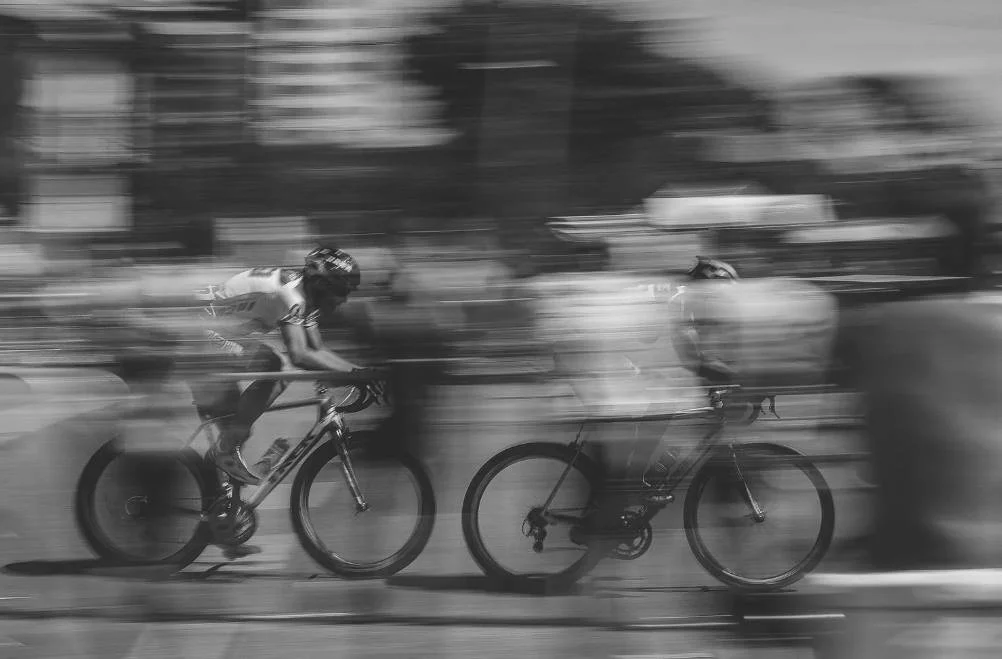
When the Work Feels Invisible
There are phases in endurance training where progress does not announce itself. The plan is followed, recovery is respected and sessions are completed, yet improvement feels distant or unconfirmed. No clear signal arrives to say the work is paying off. For many athletes, this is where confidence quietly thins, not because commitment has dropped, but because feedback has gone silent.
Invisible progress is hard to tolerate because the mind seeks reassurance. When there is nothing obvious to point to, training can begin to feel repetitive or uncertain. This does not mean the process has stalled. It often means the adaptations underway are gradual, layered and still consolidating beneath the surface, unfolding in ways that are not yet visible but are no less real.
Why Slow Progress Creates Doubt
Slowness rarely feels neutral. In a culture that prizes acceleration, slow progress is often read as a warning, rather than a phase to move through. Athletes begin to question whether they are doing enough, missing something or quietly falling behind the curve of expectation. Doubt enters not through failure or breakdown, but through prolonged uncertainty, where effort continues without the reassurance of clear response.
Endurance adaptation does not move in straight lines or on predictable timelines. Capacity, resilience and durability are often established internally long before they translate into visible performance markers. The discomfort of slow progress comes less from the pace itself and more from the absence of confirmation that the work is taking hold. When progress cannot yet be proven, the mind struggles with being asked to trust without immediate evidence.
What the Process Is Actually Building
When training feels slow, the work is rarely inactive. More often, the process is consolidating rather than expanding. This phase does not look impressive from the outside, but it is foundational in ways that only become obvious later. What feels quiet is often the period where systems stabilise, habits embed and capacity becomes reliable rather than fragile.
What is being built during slow phases
Load tolerance:
The body is learning to absorb training without breakdown. Connective tissue, neuromuscular coordination and fatigue resistance are being reinforced quietly, creating a base that can tolerate future stress. This is where consistency becomes protective rather than risky.Emotional regulation:
Staying consistent without visible reward trains the mind to remain steady under uncertainty. The athlete learns to hold effort without urgency or emotional spikes. This steadiness often surfaces later in races and high pressure moments when composure matters more than raw fitness.Trust in repetition:
Repeating sessions without immediate pay-off teaches the mind that effort does not require constant validation. Training becomes something you return to because it is aligned rather than stimulating. This reduces reactivity and protects long-term engagement when motivation fluctuates.Durability over novelty:
Slow phases reduce the impulse to chase stimulation or constant change. They prioritise what holds rather than what impresses. This builds resilience that remains intact when conditions are less ideal or progress is no longer visible.
What feels like stagnation is often preparation completing its work. These phases rarely announce their value while they are happening, but they quietly determine how well an athlete holds together when training becomes demanding again.
The Urge to Interfere
Slow progress often triggers behaviour that looks productive but is driven by anxiety rather than insight. Adding intensity, trimming recovery or constantly adjusting the plan can create a sense of control in moments where progress feels unclear. Yet these reactions often undermine the stability that slow phases are designed to build. The urge to interfere usually emerges when trust becomes uncomfortable, not when the process itself is broken.
Learning to stay put during these periods is a psychological skill that develops with practice. It requires restraint and a willingness to sit with uncertainty without reacting to it or trying to fix it prematurely. This is not passivity or complacency. It is discipline directed inward, where the effort is not in doing more, but in holding steady and allowing the work already underway to take effect.
How Trust Is Quietly Built Over Time
Trust does not suddenly arrive once progress becomes visible. It is built beforehand through repeated experiences of showing up without overreaction or constant adjustment. Each session completed without forcing change reinforces a quieter belief that the process can be relied upon, even when feedback is minimal.
How trust stabilises during slow periods
Consistency without escalation:
Staying with the plan when progress feels flat builds confidence that effort does not need to be intensified to be meaningful. Over time, this teaches the athlete that consistency itself carries value, even when outcomes lag behind input.Reduced emotional volatility:
When athletes stop adjusting training based on short-term feelings or daily fluctuations, confidence becomes steadier. Training decisions are no longer driven by mood or doubt, allowing emotional energy to settle rather than spike.Belief rooted in behaviour:
Trust gradually shifts away from results and toward identity. You begin to believe in yourself because you continue to show up and follow through, not because performance has already confirmed it.
By the time results finally appear, belief has often already settled. What looks like confidence arriving is usually trust that was built quietly in the background, through repetition, restraint and patience. The performance change feels sudden, but the psychological foundation was laid long before anything became visible.
What Slow Training Teaches
Slow phases teach patience, restraint and the capacity to remain engaged without reassurance. They ask the athlete to continue showing up when effort is no longer rewarded with visible momentum or external validation. These qualities are rarely developed during periods of rapid improvement, where confidence is carried by results rather than choice. Yet they form the psychological backbone of long-term performance, where belief must often exist before evidence appears.
Athletes who learn to stay present during slow periods develop a deeper and more stable relationship with effort itself. They become less reactive to fluctuations, more composed in uncertainty and better equipped to respond calmly when progress stalls again or setbacks arise. Progress built slowly tends to be more durable because it is supported by trust rather than urgency and by self-belief that is rooted in behaviour rather than outcome.
Signs the Process Is Working
Slow phases rarely offer loud confirmation, but they do leave quiet and reliable signals. Learning to recognise these shifts allows athletes to stay grounded in the process without chasing reassurance through constant change or unnecessary intensity.
Subtle indicators that stability is developing
Training feels repeatable rather than fragile:
Sessions can be completed consistently without requiring perfect conditions or ideal motivation. Effort feels sustainable rather than forced and the body responds with resilience instead of strain. This repeatability often signals that underlying systems are stabilising, even if performance markers have not yet moved.Recovery becomes more predictable:
The body begins to settle into a steadier rhythm. Sleep quality, appetite and general readiness fluctuate less dramatically from day to day. While fatigue still exists, it behaves in expected ways rather than arriving abruptly or lingering unpredictably.Emotional responses soften:
Flat sessions or missed expectations create less internal disruption. Instead of spiralling into doubt or urgency, the athlete remains composed and responsive. This emotional steadiness reflects growing trust and reduces the need to overcorrect based on short-term outcomes.Effort feels familiar rather than forced:
Work that once felt mentally demanding becomes normalised. The effort is recognised and accepted rather than resisted. This quiet familiarity often precedes visible improvement, as the body adapts fully to demands that no longer register as novel or threatening.
Taken together, these signs point to a process that is settling rather than stalling. Progress may still feel distant, but the system is becoming more reliable, more composed and more capable of holding load without disruption. Learning to notice these shifts changes how slow phases are experienced. Instead of being endured as something to escape, they can be recognised as evidence that the work is taking hold in quieter but more durable ways.
When Patience Becomes the Competitive Advantage
In endurance sport, patience is often mistaken for waiting or holding back. In reality, it is an active psychological stance that allows adaptation to complete its work without disruption. Athletes who tolerate slower phases without escalating effort or abandoning the plan often reach breakthroughs with fewer compromises, less accumulated stress and greater confidence in their foundation.
Over time, this restraint becomes a genuine competitive advantage. While others react to every dip with urgency or self-doubt, patient athletes maintain continuity and emotional balance. They preserve energy, protect belief and remain psychologically intact across longer timelines. When progress finally surfaces, it is not fragile or borrowed. It is supported by a system that has already learned how to hold steady under pressure.
FAQ: Trusting the Process
What does trusting the process mean in endurance training?
Trusting the process means continuing to follow consistent training behaviours even when improvement is not yet obvious. It reflects confidence that adaptation develops over time through repetition, recovery and patience rather than immediate results.
Why can slow progress create doubt?
Slow progress can feel unsettling because visible feedback becomes limited while effort continues. Without obvious confirmation that training is working, athletes may begin to question themselves or the process despite important adaptations still taking place.
How can athletes trust the process when progress feels slow?
Athletes can focus on consistent behaviours, predictable recovery and the quieter signs of development rather than chasing immediate performance gains. Resisting the urge to make unnecessary changes allows adaptation to unfold without being disrupted by anxiety or impatience.
When should athletes continue trusting the process?
Trusting the process is most important during plateaus, slower training phases or periods where progress feels invisible despite consistent effort. These phases often provide the foundation for future improvements, even before results become visible.
Final Thoughts
Endurance training does not always move at the pace you want, but it often moves at the pace you need. Slow progress is not evidence that something is wrong. More often, it signals that important work is unfolding beneath the surface, beyond what can be measured or rushed. These periods ask for patience not because progress is absent, but because it is still forming.
Trusting the process during these phases is not passive. It is an active commitment to restraint, consistency and belief without immediate proof. The ability to keep showing up when nothing seems to change is not a weakness or a lack of ambition. It is one of the quiet strengths endurance training builds and one that often matters most when the pressure is highest.
FURTHER READING: Trusting the Process
The information on FLJUGA is for educational purposes only and is not a substitute for medical, psychological, or professional advice. Always consult with a qualified medical provider, mental health professional, or certified coach.