Fear of Being Seen While Running and Building Confidence
Summary:
Fear of being seen while running is a common experience that can make starting or returning to running feel more difficult than the physical effort itself. Concerns about being judged, standing out or drawing attention can reduce confidence and make it harder to stay consistent. This guide explores why these fears develop, how they influence running behaviour and how athletes can build confidence by continuing to run despite them.
When Running Feels Exposing
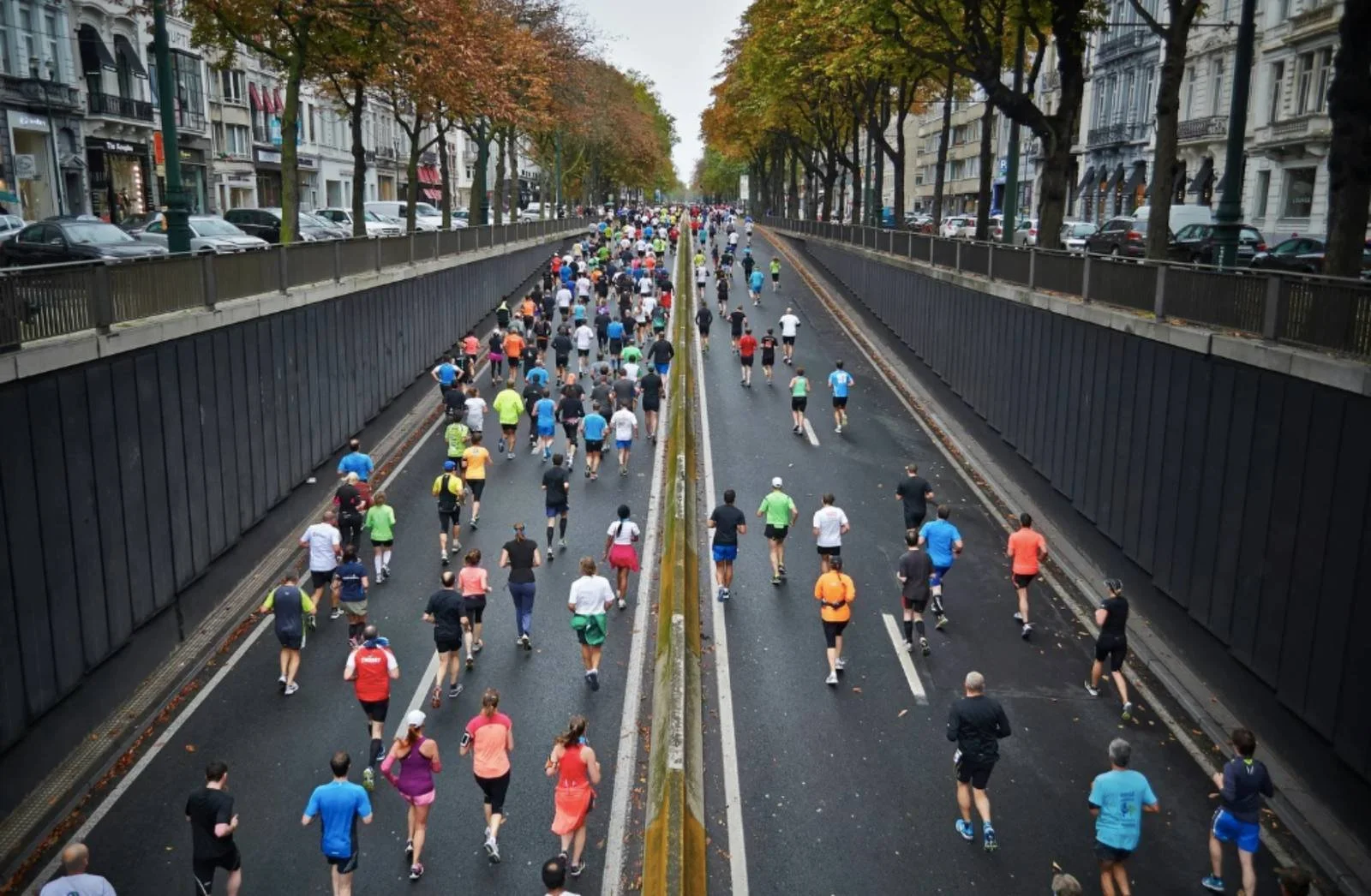
For many athletes, running in public can feel uncomfortable despite enjoying running itself. Concerns about being seen, attracting attention or being judged by other people can make starting a run feel more challenging than the physical effort that follows. These experiences are common among beginners, athletes returning after time away from training and runners whose confidence has been affected by previous experiences. Although the fear may seem irrational, it often has a meaningful influence on behaviour, leading some athletes to delay runs, change routes or avoid running altogether.
For athletes who experience a fear of being seen while running, the difficulty is rarely the act of running itself. Instead, it comes from anticipating how other people might perceive them. Concerns about pace, appearance or ability can create the impression that others are paying far more attention than they actually are. Even when there is little evidence that anyone is watching or making judgements, these thoughts can increase self-consciousness, create hesitation and make avoiding the run feel like the more comfortable option.
Why Embarrassment Shows Up So Strongly
Embarrassment often develops when there is a gap between how we want to present ourselves and how we believe we appear to other people. Many runners want to look capable, comfortable or experienced, particularly in public settings. When reality does not match that expectation, feelings of self-consciousness can become more noticeable. The discomfort is therefore less about running itself and more about believing that others will notice perceived imperfections.
These feelings often become stronger during periods of change, such as starting to run for the first time, returning after injury or time away, running at a slower pace than usual or adjusting to changes in body composition. During these phases, athletes may feel less certain about how they see themselves as runners, making embarrassment more likely to influence behaviour. Recognising this can help athletes understand that embarrassment is not a sign they should stop running, but a common response to feeling vulnerable while developing confidence.
The Illusion of Constant Observation
A common reason embarrassment becomes so powerful is the belief that other people are paying much closer attention than they actually are. When athletes feel self-conscious, it is easy to assume that their pace, appearance or running style is being noticed and judged by everyone around them. These thoughts can feel convincing, even when there is little evidence that anyone is paying particular attention.
In reality, most people are focused on their own lives, routines and concerns rather than carefully observing those around them. Although brief glances or passing interactions may happen, they are rarely the detailed evaluations that self-conscious runners imagine. Recognising this difference can help reduce the emotional weight of running in public. Feeling as though you are being watched does not necessarily mean that you are being judged and understanding this distinction can make it easier to continue running despite those thoughts.
What the Fear Is Really Protecting
Fear of being seen while running often reflects an attempt to protect something more personal than physical safety. Although the fear may appear to be about other people, it is usually connected to how athletes see themselves and how they believe they will be perceived. Recognising what embarrassment is trying to protect can make it easier to understand these feelings without allowing them to dictate behaviour.
Embarrassment often tries to protect
Self-image:
Athletes may avoid running in public because they worry about appearing less capable than they expect themselves to be. Protecting this image can feel more comfortable than risking the discomfort of feeling exposed, even when running would support long-term confidence.Belonging:
Many runners want to feel that they fit in with those around them. Concerns about standing out, looking different or feeling out of place can make public running seem more intimidating than it really is, particularly when confidence is already low.Competence:
Running at a slower pace, taking walking breaks or looking inexperienced can create concerns about how ability will be judged. This can encourage athletes to delay running until they believe they appear more capable, even though experience is what develops confidence.Control:
Running in public involves situations that cannot be fully controlled, including who you might meet or how you think others may respond. Accepting this uncertainty can feel uncomfortable, making avoidance seem like a way to regain a sense of control.
Recognising these patterns does not make embarrassment disappear, but it helps explain why the fear can feel so convincing. As athletes gradually continue running despite these concerns, the need for embarrassment to provide protection often becomes less influential and confidence begins to develop through experience.
Why Avoidance Feels Relieving but Shrinks Confidence
Avoiding a run often brings immediate relief because it removes the source of discomfort. Choosing not to run means there is no possibility of feeling self-conscious, attracting attention or facing the thoughts that made the run feel intimidating. In the short term, this can feel like the easier and safer decision.
The difficulty is that avoidance also removes the opportunity to discover that these fears are often less threatening than they seem. Each missed run can reinforce the belief that being seen while running should be avoided, making it more difficult for confidence to develop over time. As avoidance becomes more frequent, returning to running can begin to feel increasingly daunting. The challenge is no longer physical fitness, but the growing expectation that running in public will be uncomfortable or embarrassing.
Being Seen Does Not Mean Being Judged
Feeling visible while running does not automatically mean that other people are evaluating you. Although runners often assume that being noticed will lead to criticism or comparison, simply being seen is very different from being judged. Most people who notice a runner give the moment very little thought before returning to their own activities, making the fear of judgement far greater than the reality.
Learning to separate visibility from evaluation can reduce much of the pressure associated with running in public. Athletes may still experience moments of self-consciousness, but they become less likely to interpret every glance or passing interaction as criticism. Over time, this allows running to feel more comfortable because attention is no longer automatically interpreted as negative judgement, making it easier to remain engaged despite occasional feelings of embarrassment.
Running as You Are, Not as You Think You Should Be
Many athletes postpone running because they believe they need to reach a certain standard before they feel comfortable being seen in public. They may tell themselves they will start once they are fitter, more confident or more comfortable with their appearance. Although these intentions are understandable, waiting for the perfect moment often delays the very experiences that help confidence develop.
In reality, confidence is more likely to grow through running consistently than by waiting until you feel completely ready. Each run provides an opportunity to recognise that you can participate without meeting the standards you have set for yourself. Over time, these experiences begin to challenge the belief that you must look or perform a certain way before you deserve to run. As confidence develops through continued participation, athletes often become more accepting of where they are now while continuing to work towards where they want to be.
When Embarrassment Softens Over Time
Embarrassment rarely disappears all at once. More often, it becomes less influential as athletes gain repeated experience of running in situations they once found uncomfortable. Each run provides an opportunity to recognise that the feared outcome often does not happen. The anticipated judgement is often far greater than the judgement that actually occurs and the discomfort becomes easier to tolerate with continued exposure.
As these experiences accumulate, athletes begin to view public running differently. Feeling self-conscious may still arise from time to time, but it no longer carries the same influence over behaviour. Running becomes a more familiar and manageable experience because confidence has developed through participation rather than by waiting for fear to disappear. This gradual change often goes unnoticed at first, yet it marks an important step towards feeling more comfortable running in public.
Choosing Presence Over Performance
When athletes become overly focused on how they appear to other people, running can begin to feel like a performance rather than a personal experience. Attention shifts towards appearance, pace or what others might be thinking, making it more difficult to engage with the run itself. This inward focus often increases self-consciousness and reinforces the belief that every aspect of the run is being noticed.
Shifting attention towards the experience of running can help reduce this pressure. Focusing on breathing, movement, the surrounding environment or simply completing the planned session encourages athletes to engage with what they are doing instead of what they imagine other people are thinking. This does not make embarrassment disappear, but it helps place attention on factors that are within their control. Over time, running becomes less about how it looks to others and more about the personal experience of participating.
Letting Fear Exist Without Obeying It
Feeling embarrassed while running does not mean you have to wait for those feelings to disappear before taking action. Fear and self-consciousness can still be present while athletes continue to engage with training. Learning to move forward despite these thoughts is often what allows confidence to develop, rather than waiting until every feeling of discomfort has gone away.
Each run completed despite these concerns provides another experience that challenges the belief that running in public must be avoided. Over time, athletes begin to recognise that embarrassment does not have to determine their behaviour or prevent them from participating. Confidence develops because they continue responding to the fear differently, allowing repeated experience to replace uncertainty with trust in their ability to keep showing up.
FAQ: Fear of Being Seen While Running
What is the fear of being seen while running?
The fear of being seen while running is a form of self-consciousness where athletes worry about how they may be perceived by other people. Concerns about appearance, pace, fitness or ability can make running in public feel uncomfortable, even when there is little evidence that others are paying close attention.
Why do I feel embarrassed when I run in public?
Embarrassment often develops when there is a gap between how you want to present yourself and how you believe you appear to others. These feelings are common among beginners, athletes returning after time away and runners rebuilding confidence. They reflect concerns about being judged rather than a lack of ability or commitment.
How can I become more confident running in public?
Confidence develops through repeated experience rather than waiting until you feel completely ready. Running consistently, responding to embarrassment without avoiding it and recognising that most people are focused on themselves can gradually reduce self-consciousness and make running in public feel more comfortable over time.
When does the fear of being seen while running improve?
For most athletes, the fear becomes less influential as they gain more experience running in public. Confidence often develops gradually through continued participation, allowing embarrassment to have less influence over behaviour even if occasional moments of self-consciousness still arise.
Final Thoughts
Fear of being seen while running is more common than many athletes realise. Concerns about being judged, attracting attention or not meeting personal expectations can make running in public feel emotionally demanding, even when the physical effort is manageable. These experiences often encourage avoidance, yet avoiding them rarely creates the confidence needed to move forward.
As athletes continue running despite these concerns, confidence develops through repeated experience rather than waiting for embarrassment to disappear. Public running gradually becomes more familiar, self-consciousness becomes less influential and participation begins to feel more natural. Over time, the focus shifts away from how running might appear to other people and back towards the personal experience of training. This allows confidence to develop steadily, supporting a more consistent and sustainable relationship with running.
FURTHER READING: Building Confidence
The information on FLJUGA is for educational purposes only and is not a substitute for medical, psychological, or professional advice. Always consult with a qualified medical provider, mental health professional, or certified coach.